English
 Français
 Tiếng Việt


Content
Choosing between a one-component and a two-part silicone sealant is not only a chemistry decision. It is also a production decision. The two systems cure by different mechanisms, which directly affects how fast a joint can be handled, what equipment the crew needs, and how much load the sealant can accept in a structural assembly.
This guide compares one-component (RTV-1) and two-part (RTV-2) silicone sealants on curing speed, equipment needs, and structural use, so you can match the sealant format to your assembly line and project conditions.
A one-component silicone sealant is supplied as a homogeneous paste in a cartridge, sausage pack, or bulk container. It is formulated to stay stable in the package and to cure only after it is exposed to the atmosphere.
Once applied, the sealant absorbs moisture from the surrounding air. Water vapour reacts with the acetoxy or neutral crosslinker in the formula, starting a condensation reaction that builds a silicone network. The skin forms quickly, but full cure proceeds from the surface inward. In a deep joint, the centre can remain uncured for days.
One-component silicone is the workhorse for site-applied sealing: door and window perimeters, curtain wall joints, sanitary seals, and remedial work. No mixer is required, so it is the easiest option for contractors working at height or in confined areas.
A two-part silicone sealant separates the silicone base (Part A) from the curing agent or catalyst (Part B). The two parts are stored in different containers and mixed just before use, typically at a volume ratio of 5:1, 6:1, or 10:1.
Mixing activates the crosslinking reaction immediately. Unlike a one-component system, the reaction does not depend on atmospheric moisture, so the sealant can cure in the middle of a thick joint, inside a glass pocket, or under a gasket. Manufacturers control pot life and cure time by adjusting the catalyst level and the mixing ratio.
One common example is the 5100 insulating glass silicone sealant, a two-part system developed for continuous fabrication of insulating glass units.
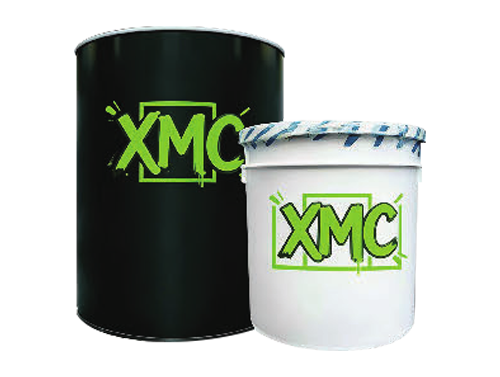 5100 Insulating Glass Silicone Sealant – Two-Part Neutral CureThe 5100 is a two-part neutral-cure silicone for secondary sealing in dual-sealed insulating glass units. It provides excellent adhesion to coated glass and metals, broad temperature stability, and strong weather resistance, making it suitable for commercial building IGU fabrication.View Product →
The most practical difference between the two systems is how quickly they reach handling strength and full cure.
A one-component silicone skins in 10 to 30 minutes, but the joint remains soft underneath for hours. Full cure of a structural bead can take 14 to 30 days, especially in cold weather. That timeline is acceptable on a building site, but it can stop a factory line from moving finished units quickly.
A two-part silicone starts its crosslinking reaction as soon as the components are mixed. In a typical 5:1 system, the material can reach a tack-free state in 20 to 60 minutes and develop handling strength within a few hours. The exact timing depends on the catalyst dosage and temperature, but the key point is that the cure starts from the inside and the outside at the same time.
| Property | One-component | Two-part |
|---|---|---|
| Cure trigger | Atmospheric moisture | Chemical mixing |
| Skin time | 10–30 min | 15–60 min (adjustable) |
| Full cure | Days to weeks | Hours to 1–2 days |
| Deep joint cure | Slow, moisture limited | Uniform, fast |
| Humidity sensitivity | High | Low |
| Best for | Field application | Factory production |
For production processes, cure speed is not just a time value. It determines whether parts can be moved, packed, or glazed on the same shift. When cycle time matters, two-part systems usually win because they convert a multi-day queue into a same-day flow.
The application equipment is a direct consequence of the curing chemistry.
Applying a one-component sealant is straightforward. A manual or pneumatic caulking gun pushes the paste from the cartridge into the joint; a spatula or finishing tool shapes the bead. The only controls are nozzle size, gun pressure, and working time. This low tooling cost makes it easy to start sealing work without capital investment.
A two-part system needs more discipline. The two components must be delivered in the correct ratio and thoroughly mixed. Options include:
For a glass fabrication line, metering equipment is normally installed at the mixing station and calibrated at the start of each shift. The extra equipment cost is offset by a much shorter cycle time and lower labour cost per sealed unit.
Structural silicones do more than keep water out. They bond glass to a supporting frame and transfer wind load, dead load, and thermal movement through the joint. Both one- and two-part systems can serve as structural sealants, but their working windows are very different.
One-component structural silicones are suited to site glazing and curtain wall installation where crews can apply paste from a cartridge and leave it to cure. The process is flexible, but the joint must be protected from dust, rain, and mechanical stress until the sealant reaches design strength. In cool or humid conditions, that period can extend well beyond two weeks.
Two-part structural silicones are the standard for structural glazing fabrication in plants. The mixed material cures fast and reaches handling strength within hours, so a glazed unit can be moved to the rack, stacked, or transported on the same or next day. This is especially important for insulating glass units with structural sealant as the second seal. The 6100 insulating glass structural silicone sealant is an example of a two-part system designed for this load-bearing application.
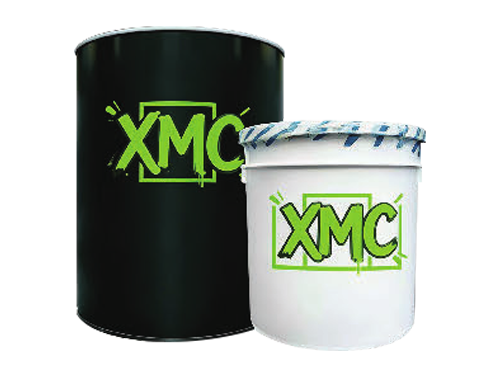 6100 Insulating Glass Silicone Structural Sealant – Fast-Curing Two-PartThe 6100 is a two-part structural silicone engineered for load-bearing glazing. It cures quickly to handling strength for efficient plant fabrication, offers ±25% joint movement capacity, and bonds well to glass and metal, supporting structural curtain wall assembly.View Product →
When choosing a structural sealant, verify the cure time at the actual job-site temperature, confirm adhesion to the specific glass and frame coatings, and follow the applicable structural glazing specification. If you are setting up a construction industry sealing line, it is important to integrate sealant selection with the glazing schedule.
There is no universal winner. The table below summarises the logic behind a typical selection.
| Selection driver | Recommended format |
|---|---|
| Small or irregular quantities, site application | One-component |
| Continuous production, repeating unit geometry | Two-part |
| Deep or enclosed joints | Two-part |
| Very fast move or handling after application | Two-part |
| Minimal equipment investment | One-component |
| High humidity or cold site environment | Two-part (less sensitive) |
Also consider whether a custom formulation or a specific pack size is required. Manufacturers with OEM/ODM experience can adapt colour, viscosity, curing speed, and packaging to suit a production line.
Two-part systems generally reach deep-section cure faster because they do not depend on moisture diffusion. However, a one-component sealant can also skin quickly in warm humid conditions. For reliable cycle-time planning, two-part chemistry is the safer choice.
Yes, but only when the cure schedule allows enough time and the site conditions match the product's certification. If the production line needs to move units quickly, a two-part structural system saves time.
Common ratios are 5:1, 6:1, or 10:1 by volume, depending on the formulation. Use calibrated metering equipment and check the mix ratio regularly; an incorrect ratio will reduce adhesion and mechanical strength.