What is the difference between low-expansion and high-expansion polyurethane foam?
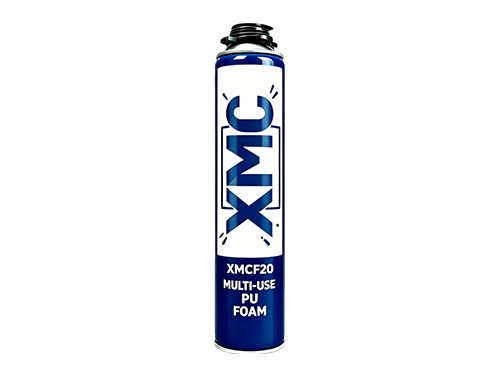
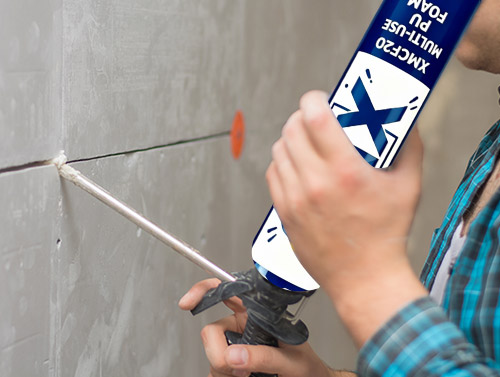
Polyurethane foam products are widely used in construction, installation, and industrial sealing because they can fill irregular gaps while providing insulation and bonding performance. Among these products, polyurethane foam sealant is designed as a one-component moisture-cure polyurethane foam material that expands after application to form a closed-cell foam structure. It provides excellent filling capability, bonding strength, thermal insulation, and acoustic performance, making it suitable for door and window installation, building gap filling, and pipe insulation.
The expansion characteristics of polyurethane foam directly affect application results. Low-expansion and high-expansion polyurethane foams belong to the same product family but are designed for different construction requirements. Understanding their differences helps users select the correct material for specific projects and avoid problems such as excessive pressure, insufficient filling, or poor insulation performance. The following sections explain the characteristics, applications, and advantages of different foam categories.
Low-Expansion Polyurethane Foam Sealant for Precision Installation
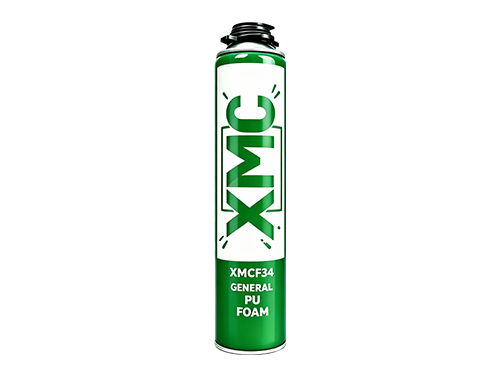
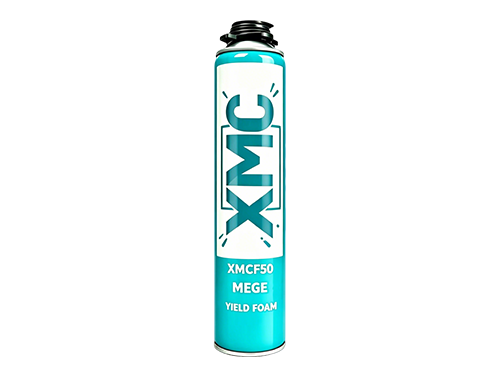
Low-expansion foam is developed for applications where controlled volume increase and dimensional stability are important. Unlike traditional expanding foam materials that continue growing significantly after application, low-expansion formulations provide moderate expansion and reduced internal pressure. This feature makes them suitable for installation areas where surrounding structures need protection from deformation.
The primary function of low-expansion PU foam sealant is to create a stable sealing layer between building components. It can effectively fill narrow gaps around window frames, door frames, and other construction joints while maintaining good adhesion to common building substrates. Its closed-cell structure helps improve resistance against moisture penetration, air leakage, and temperature changes.
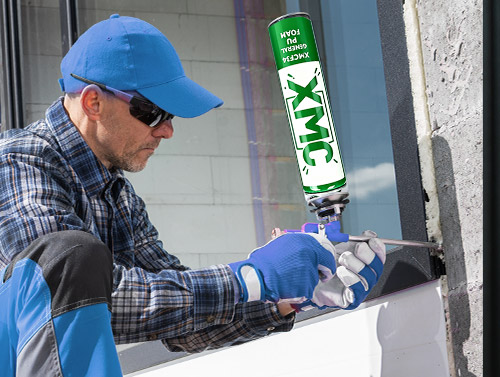
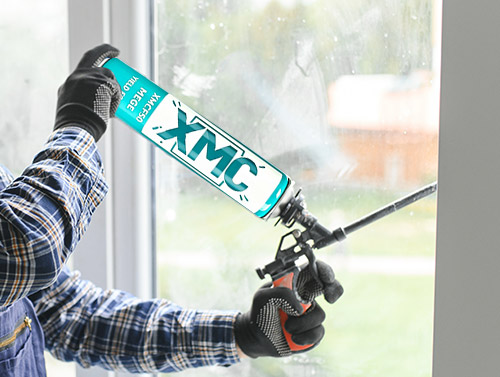
In door and window installation, low-expansion foam offers significant advantages because excessive expansion force may affect the alignment of frames. The controlled expansion behavior allows installers to achieve accurate positioning while still obtaining strong bonding and insulation performance. This type of foam is commonly selected for professional installation projects requiring precision and long-term stability.
- Suitable for narrow joints and precision filling applications.
- Provides stable adhesion without generating excessive expansion pressure.
- Supports thermal insulation and sound reduction around building openings.
- Helps maintain structural accuracy during installation.
Shanghai XMC New Material Technology Co., Ltd. develops sealing materials with a focus on consistent performance and application reliability. Through modern manufacturing processes, XMC supports professional users requiring stable low-expansion foam products for construction and industrial projects.
High-Expansion Polyurethane Foam Sealant for Large Gap Filling
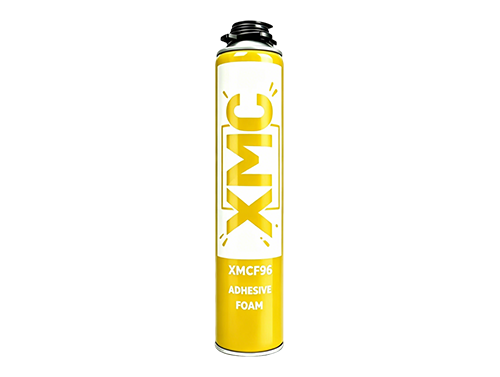
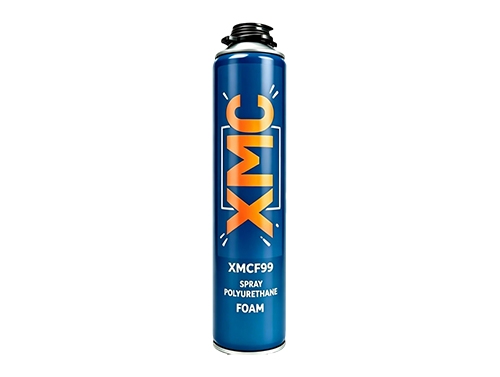
High-expansion foam is designed for applications where large-volume filling capability is required. It expands significantly after application and can quickly occupy irregular spaces, making it effective for sealing large gaps, cavities, and complicated construction areas. This category of expanding foam sealant focuses on maximum filling efficiency and improved productivity during installation.
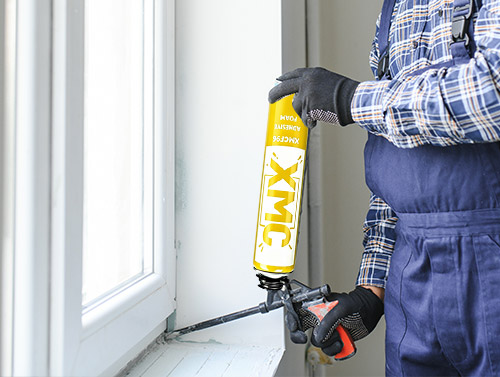
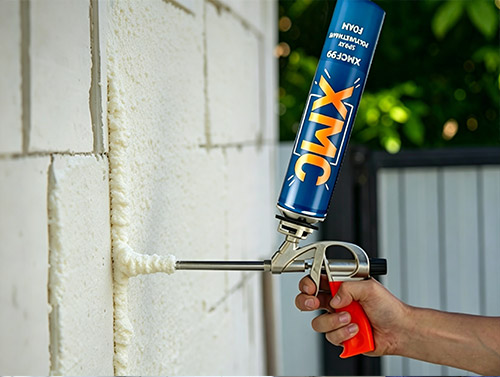
The major advantage of high-expansion foam is its ability to cover large areas with relatively less material. After curing, the foam forms a lightweight closed-cell structure that provides insulation against heat transfer, air movement, and external noise. It is commonly used in wall penetrations, pipe openings, structural gaps, and other areas where complete filling is necessary.
However, high-expansion foam requires careful application because excessive expansion may create pressure on surrounding components. Professional installers need to consider the size of the gap, substrate conditions, and curing environment before application. When properly selected and installed, high-expansion foam provides efficient sealing performance for large-scale construction tasks.
- Inspect the gap size and determine whether high expansion capacity is required.
- Clean the application surface to improve adhesion performance.
- Apply foam gradually and allow sufficient curing time before further processing.
- Remove excess cured foam and complete surface finishing according to project requirements.
Compared with low-expansion products, high-expansion polyurethane foam sealant provides stronger filling efficiency for oversized spaces. Its main value lies in reducing installation time while ensuring continuous insulation and sealing performance in complex construction environments.
Professional Expanding Foam Solutions for Different Construction Requirements
Besides expansion level, polyurethane foam products can also be categorized according to their application focus, including general construction foam, insulation foam, and specialized installation foam. Each category has different performance priorities depending on the project environment. Selecting the correct foam type ensures better compatibility, durability, and overall sealing effectiveness.
| Product Category |
Expansion Feature |
Main Function |
Typical Applications |
| Low-Expansion Foam |
Controlled expansion |
Precision sealing and bonding |
Door frames, window installation, narrow joints |
| High-Expansion Foam |
Large volume expansion |
Large gap filling and insulation |
Wall gaps, pipe openings, construction cavities |
| Specialized Insulation Foam |
Balanced expansion and density control |
Thermal and acoustic protection |
Building insulation and industrial sealing |
The specialized foam category combines filling performance with insulation requirements. These products are often selected for projects where energy efficiency and environmental comfort are important. The closed-cell structure reduces air movement and improves resistance against external conditions, making them valuable in modern building systems.
polyurethane foam sealant products from professional manufacturers are developed to meet different construction needs, including bonding, sealing, and insulation applications. A complete product range allows distributors and engineering companies to select suitable foam types according to project requirements.
Technical Advantages and Manufacturing Capability of XMC Sealant
Shanghai XMC New Material Technology Co., Ltd. has focused on sealant manufacturing for more than 20 years, developing extensive experience in silicone sealants, polyurethane sealants, MS sealants, and expanding foam products. The company operates modern production facilities that ensure stable quality control, efficient production capacity, and reliable supply for global customers.
For polyurethane foam applications, XMC emphasizes formulation stability, adhesion performance, and consistent expansion characteristics. These technical capabilities allow the products to serve various construction scenarios, from residential installation to engineering projects. The company also provides customization services to help distributors and brands develop their own product lines.
The difference between low-expansion and high-expansion foam is not simply the amount of expansion but the suitability for different working conditions. Low-expansion products focus on precision and structural protection, while high-expansion products focus on efficient filling and insulation. Choosing the appropriate category improves installation quality and extends service life.
Frequently Asked Questions
Q1: What is the difference between low-expansion and high-expansion polyurethane foam?
Low-expansion foam provides controlled expansion with lower pressure, making it suitable for precision installation such as doors and windows. High-expansion foam expands more significantly and is mainly used for filling larger gaps and cavities.
Q2: Can PU foam sealant be used for both insulation and bonding?
Yes. PU foam sealant provides both bonding and insulation functions. Its closed-cell structure helps improve thermal resistance, sound insulation, and sealing performance in many construction applications.
Q3: Which type of expanding foam sealant is suitable for window installation?
Low-expansion expanding foam sealant is generally more suitable for window installation because it minimizes pressure on frames while maintaining effective sealing and insulation performance.
Q4: How does XMC support customers requiring polyurethane foam products?
XMC provides manufacturing expertise, quality control systems, OEM customization services, and a wide range of sealing products to support distributors, contractors, and engineering customers worldwide.

 English
 Français
 Tiếng Việt