How to Remove Cured Assembly Silicone Adhesive Sealant?
Removing cured assembly silicone adhesive sealant is a common challenge faced by installers, manufacturers, and homeowners alike. Once fully cured, silicone-based sealing materials form a durable, flexible bond that resists water, dust, and temperature fluctuations. While this durability is a major advantage during service life, it can make removal during repair, replacement, or reassembly a demanding task. Understanding the properties of different silicone products, including silicone caulking and clear silicone sealant, helps determine the most effective removal method without damaging the underlying substrate.
Silicone sealants are widely used across construction, home improvement, industrial manufacturing, and glass installation projects. They provide excellent weather resistance, stability across a wide temperature range, and long-term flexibility. Because these materials adhere strongly to glass, aluminum, ceramics, plastics, and metal surfaces, removal often requires a combination of mechanical action, softening agents, and careful technique. Below, we explore three major sealant categories relevant to removal work, their characteristics, and how proper product selection can simplify both installation and future maintenance.
1. Assembly Silicone Adhesive Sealant
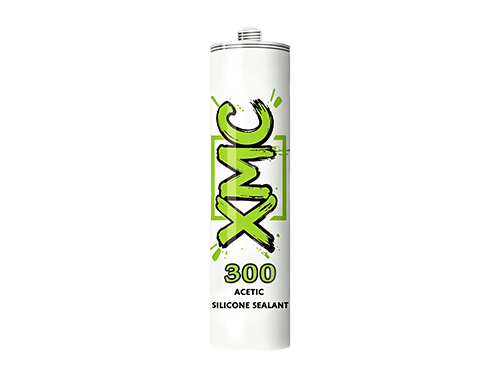
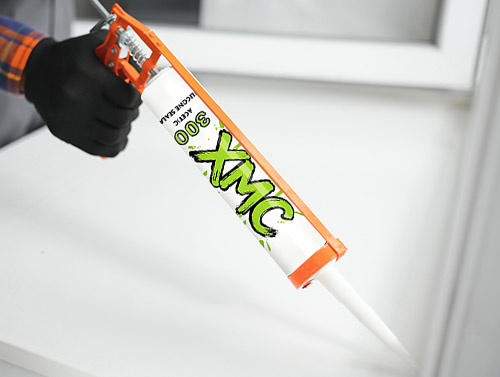
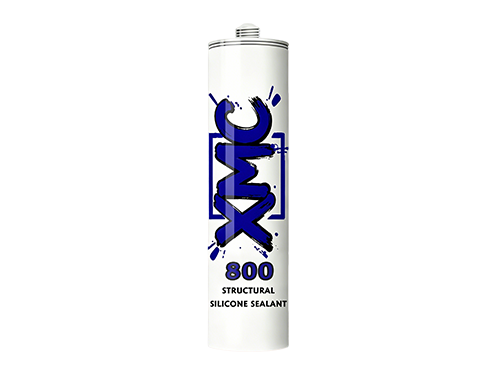
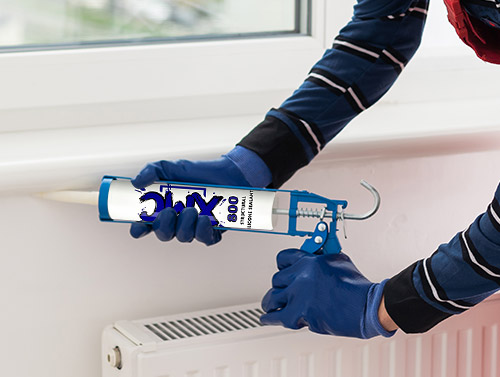
The assembly silicone adhesive sealant category is designed primarily for bonding and sealing components during manufacturing or construction assembly. It offers strong adhesion to a wide range of substrates while maintaining flexibility after curing, which allows it to absorb vibration and minor structural movement without cracking. This makes it particularly valuable in applications where components must remain sealed under mechanical stress or thermal expansion.
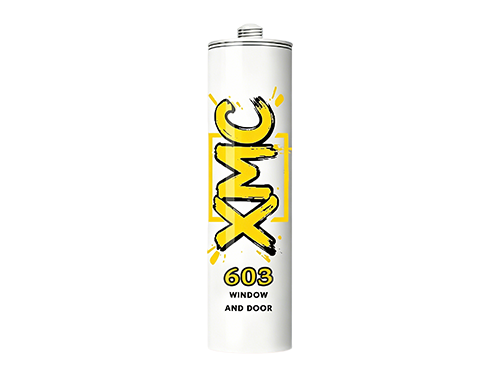
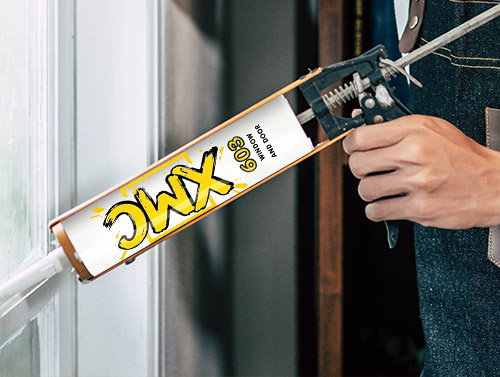
Typical applications include curtain wall joint filling, industrial equipment sealing, and structural bonding in door and window frames. Because this sealant type is engineered for long-term durability, removal of the fully cured material often requires softening with a suitable solvent or careful mechanical scraping using a plastic or wooden tool to avoid scratching sensitive surfaces such as glass or coated aluminum.
- High adhesion strength on glass, aluminum, and ceramic surfaces
- Resistant to vibration and structural movement
- Stable performance across wide temperature ranges
- Suitable for both interior and exterior assembly work
2. Silicone Caulking
Silicone caulking is commonly associated with sealing gaps and joints in residential and light commercial settings, such as kitchen and bathroom waterproofing, window perimeters, and plumbing fixtures. Compared to assembly-grade sealants, caulking formulations are generally optimized for ease of application and mold resistance in moisture-prone environments, rather than heavy structural bonding.
When cured caulking needs to be removed—for instance, during bathroom renovation or window replacement—the process typically involves cutting along the joint with a sharp blade, followed by peeling away the bulk material and cleaning residual film with an appropriate solvent. Because caulking is often applied in thinner beads than assembly sealants, it tends to be somewhat easier to remove, though adhesion to porous surfaces like grout or unglazed tile can still require patience.
- Score along both edges of the caulking bead with a utility knife
- Peel the loosened material away using a plastic scraper
- Apply a silicone-compatible remover to dissolve residual film
- Wipe the surface clean and allow it to dry before reapplication
3. Clear Silicone Sealant
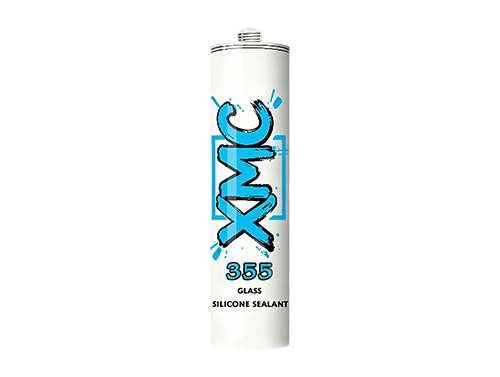
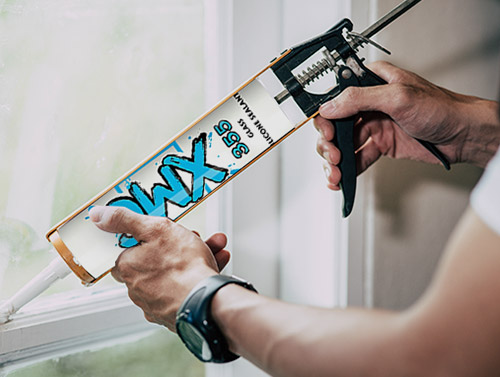
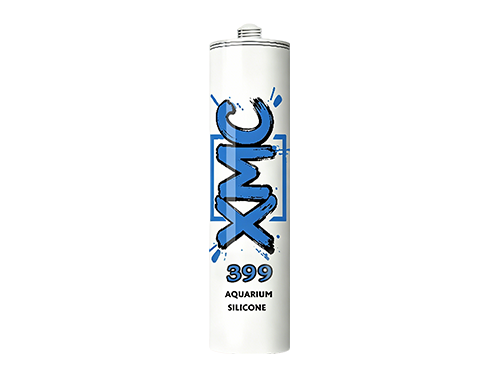
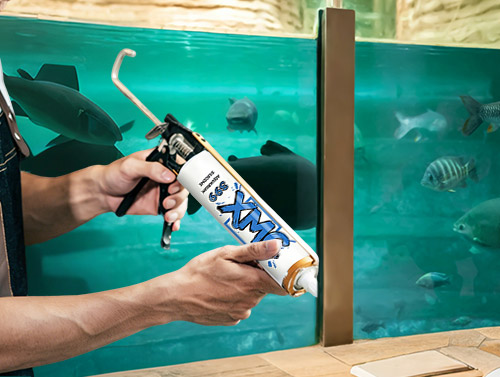
The clear silicone sealant category is favored in applications where visual transparency matters, such as aquarium assembly, glass display cases, and decorative glazing. This type of sealant is formulated to maintain optical clarity over time while still delivering the flexibility and weather resistance expected from silicone-based products. Removing clear sealant from glass surfaces requires extra care, since the material is often used precisely because it blends seamlessly with the substrate, making leftover residue more noticeable if not fully cleaned.
For best results, gentle heat can be applied to soften the cured bead before careful mechanical removal, followed by a final wipe with isopropyl alcohol to eliminate any remaining haze. This category shares many of the weather-resistant and adhesion qualities found in the broader range of one-component sealant solutions used across construction and industrial glazing projects.
Comparing Sealant Categories
The table below summarizes key characteristics across the three categories to help users select the appropriate removal approach based on the sealant type installed.
| Category |
Primary Use |
Removal Difficulty |
Recommended Tool |
| Assembly Silicone Adhesive Sealant |
Structural bonding, industrial assembly |
High |
Solvent + plastic scraper |
| Silicone Caulking |
Joint sealing, waterproofing |
Moderate |
Utility knife + remover |
| Clear Silicone Sealant |
Glass and transparent glazing |
Moderate to High |
Heat + isopropyl alcohol |
Company Capability and Solutions
Shanghai XMC New Material Technology Co., Ltd. has spent two decades focused on the sealant industry, developing a comprehensive product line that includes silicone sealants, window and door sealants, curtain wall sealants, aquarium sealants, anti-mildew sealants, and fire-retardant sealants. This breadth of experience allows the company to understand not only how these materials perform during installation, but also how they behave over time and how they can be responsibly removed or replaced.
Operating modern production facilities, XMC ensures consistent product quality and stable supply for OEM partners worldwide. The company also offers customization services, helping distributors and brands develop product lines suited to specific regional or technical requirements. This level of manufacturing control supports predictable curing and removal behavior, which is particularly valuable for contractors managing large-scale glazing or assembly projects.
Practical Removal Considerations
Surface Protection
Regardless of sealant category, protecting the underlying substrate is essential during removal. Metal and glass surfaces are especially prone to scratching from metal blades, so plastic or wooden tools are generally recommended.
Solvent Compatibility
Not all solvents are suitable for every substrate. Testing a small, inconspicuous area before full application helps avoid discoloration or surface damage, particularly on painted or coated materials.
Frequently Asked Questions
Q1: What is the difference between assembly silicone adhesive sealant and silicone caulking?
Assembly-grade sealant is generally formulated for stronger structural bonding and higher stress tolerance, while caulking is optimized for sealing joints in residential or moisture-prone environments with easier application and cleanup.
Q2: Can clear silicone sealant be removed without damaging glass?
Yes, with careful use of gentle heat and non-abrasive tools, followed by a solvent wipe, cured clear sealant can typically be removed from glass without scratching the surface.
Q3: Does XMC provide sealants suited for both installation and long-term maintenance needs?
Yes, XMC's diverse product range, covering silicone sealants, curtain wall sealants, and specialty formulations, is designed to support long-term performance while remaining compatible with standard maintenance and removal practices.
Q4: Is heat necessary to remove all types of cured silicone sealant?
Heat is not always required, but it can significantly ease removal of denser or thicker beads, particularly with clear or assembly-grade sealants that have fully cured over an extended period.
Choosing the right sealant from the outset—and understanding its removal characteristics—helps ensure smoother maintenance down the line. With a wide product portfolio and strong manufacturing capability, XMC continues to support global partners with reliable, high-performance sealing solutions for diverse building and industrial applications.

 English
 Français
 Tiếng Việt