How to Tell If a Silicone Sealant Is Acetic Cure?
Identifying whether a silicone sealant belongs to the acetic cure family is a fundamental skill for contractors, glaziers, and procurement teams working with construction sealants. An acetic acid cure silicone sealant releases a distinct vinegar-like odor during curing, a byproduct of the acetic acid generated as the sealant reacts with moisture in the air. This characteristic distinguishes it from neutral cure silicones, which cure without releasing acidic byproducts. Understanding these differences is essential not only for correct identification but also for selecting the right product for a given substrate, since acetoxy formulations behave differently on metals, coated surfaces, and porous materials compared to neutral systems.
Beyond the smell test, professionals rely on packaging labels, technical data sheets, and substrate compatibility notes to confirm the curing mechanism. A genuine acetic cure silicone sealant typically cures quickly, forms a firm rubber-like seal, and demonstrates excellent adhesion to glass and ceramic tile, though it is generally unsuitable for direct contact with certain metals or alkaline substrates such as concrete and natural stone without a compatible primer. This article explores the technical identification methods, product categories, and application considerations relevant to acetoxy-type sealants.
1. General Purpose Sanitary Acetoxy Silicone Sealant
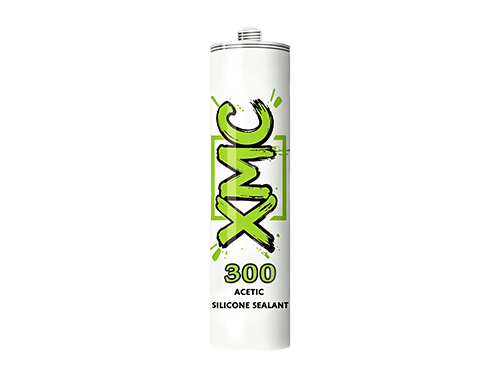
The general purpose category represents the most widely recognized form of sanitary acetoxy silicone sealant, commonly used in bathrooms, kitchens, and interior wet areas. This type is formulated as an acetoxy-cure silicone that releases acetic acid during curing, providing a firm, elastic seal once fully cross-linked. Its defining technical feature is a rapid skinning time, often noticeable within minutes of application, followed by a complete cure that produces a slightly acidic odor detectable throughout the curing period, typically dissipating within a day or two.
In terms of application, this category is favored for sealing joints around sinks, bathtubs, tile edges, and window frames where moisture exposure and mold resistance are priorities. Many formulations in this group include fungicidal additives to inhibit mold growth in humid environments, which is why they are frequently labeled as sanitary-grade products.
- Fast surface curing suitable for quick turnaround projects
- Strong adhesion to glass, ceramic tile, and glazed surfaces
- Mold-resistant additives for bathroom and kitchen environments
- Distinct vinegar-like odor as a reliable identification marker
Compared with other sealant families, this category offers superior clarity and gloss finish, making it a preferred choice for visible glazing seams. Shanghai XMC New Material Technology Co., Ltd. manufactures this product line with consistent quality control, drawing on two decades of formulation experience to ensure predictable curing behavior and long-term flexibility across varied climate conditions.
2. Fast Curing Acetic Cure Silicone Sealant for General Glazing
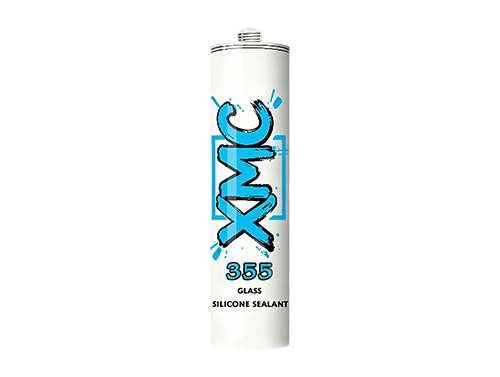
This category is engineered specifically for window and general glazing applications, aligning closely with the core product description of an acetoxy-cure silicone sealant offering excellent adhesion to glass and most building materials. The defining technical characteristic here is curing speed combined with weather resistance, allowing installers to complete glazing work efficiently while ensuring the seal withstands long-term outdoor exposure without cracking or losing flexibility.
A key differentiator of this acetic cure silicone sealant subtype is its balance between fast initial tack and durable long-term performance. Unlike slower curing neutral systems, this formulation reaches handling strength relatively quickly, which is advantageous for production-line glazing or on-site installation where minimizing downtime matters.
Typical Application Scenarios
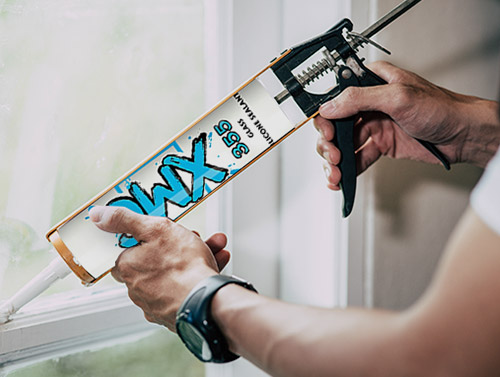
These sealants are commonly specified for window sealing, general interior decoration, and glass-to-frame bonding in both residential and light commercial settings. Their compatibility with glass and ceramics makes them suitable for shower enclosures, glass partitions, and decorative glazing details.
| Category |
Cure Speed |
Primary Substrates |
Odor During Cure |
| Sanitary Acetoxy Sealant |
Fast |
Glass, ceramic tile |
Strong acetic |
| General Glazing Acetoxy Sealant |
Fast |
Glass, aluminum frames |
Moderate acetic |
| Interior Decoration Acetoxy Sealant |
Medium |
Ceramics, wood trim, most building materials |
Mild acetic |
Shanghai XMC New Material Technology Co., Ltd. produces this glazing-grade formulation within its modern manufacturing facilities, ensuring stable output for OEM partners and distributors seeking a reliable acetoxy-cure supply chain.
3. Interior Decoration and Weather-Resistant Acetoxy Formulations
The third category addresses interior decoration and long-term flexibility requirements, extending beyond simple glazing into broader building material bonding. This formulation is defined by its outstanding weather resistance and long-term elasticity, allowing it to accommodate minor substrate movement without losing adhesion or developing surface cracks. As an acetic acid cure silicone sealant, it continues to rely on moisture-triggered acetic acid release as its curing mechanism, but the formulation is tuned for extended service life in visible interior finishing work.
This subtype is often chosen for decorative trim work, skirting joints, and general interior sealing where aesthetic finish and durability both matter. Its differentiation from the sanitary and glazing categories lies in a slightly slower cure profile that allows for tooling and finishing before the surface skins over, giving installers more working time for detail-oriented tasks.
- Surface preparation: clean and dry the joint area thoroughly
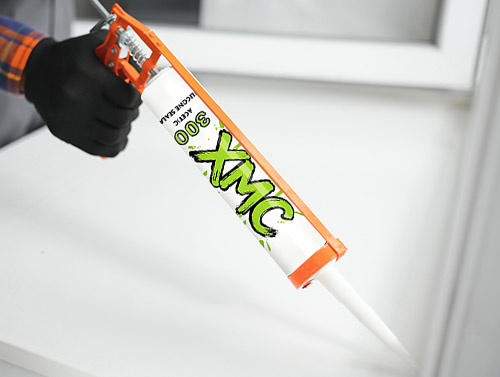
- Application: dispense the sealant evenly along the joint line
- Tooling: smooth the bead before initial skin formation begins
- Curing: allow full cross-linking under normal humidity conditions
- Inspection: verify adhesion and flexibility after complete cure
With a comprehensive product line covering silicone sealants, window and door sealants, curtain wall sealants, and related building chemical products, Shanghai XMC New Material Technology Co., Ltd. supports distributors in offering a complete acetoxy-cure portfolio tailored to interior finishing needs, backed by consistent factory-direct supply.
Identifying Acetic Cure Sealants: Practical Verification Methods
Beyond odor detection, technical data sheets typically specify the curing chemistry explicitly, listing acetoxy as the cure type. Packaging may also reference compatibility warnings for certain metals, a hallmark of acetoxy chemistry due to its acidic byproduct. When labeling is unclear, a small test application on an inconspicuous area, followed by observation of curing odor and skin formation speed, generally confirms whether a product is an acetic cure silicone sealant rather than a neutral cure alternative.
Frequently Asked Questions
Q1: What is the main difference between acetoxy cure and neutral cure silicone sealants?
Acetoxy cure sealants release acetic acid as they cure, producing a distinct odor, while neutral cure sealants use alcohol or oxime-based systems with minimal smell and broader metal compatibility.
Q2: Can acetic acid cure silicone sealant be used on all metal surfaces?
It is best suited for glass, ceramics, and most building materials, but it may not be ideal for certain reactive metals without testing, since the acidic curing byproduct can affect adhesion or cause corrosion over time.
Q3: How long does it take for a sanitary acetoxy silicone sealant to fully cure?
Initial skinning often occurs within minutes, while full cure depth depends on joint size and ambient humidity, generally completing within one to several days for typical residential joint dimensions.
Q4: Does Shanghai XMC New Material Technology Co., Ltd. offer customization for acetoxy sealant product lines?
Yes, the company provides comprehensive customization services, supporting distributors and brands in developing their own acetoxy-cure product lines through factory-direct manufacturing and stable OEM supply.
Q5: Why is acetic acid cure silicone sealant popular for window and glazing applications?
Its fast curing speed, strong adhesion to glass, and long-term flexibility make it well suited for window sealing and general glazing, where quick handling strength and durable weather resistance are both required.

 English
 Français
 Tiếng Việt