Why does acrylic latex caulk crack over time?
Acrylic latex caulk is widely used in modern construction because it provides convenient application, good adhesion, and excellent paint compatibility. However, some users may notice cracks appearing after a period of service, especially around windows, doors, walls, and decorative joints. Understanding why cracking occurs requires examining material properties, application conditions, environmental exposure, and product selection.
A properly formulated acrylic latex sealant is designed to create a flexible sealing layer that accommodates normal movement between building materials. As a water-based sealing material, it is commonly selected for residential and commercial construction where easy application and paintability are important requirements. When cracking occurs, it usually indicates problems related to joint design, curing conditions, substrate movement, or unsuitable product selection rather than the basic function of the sealant itself.
1. General Purpose Acrylic Latex Sealant: Features and Common Causes of Cracking
General purpose acrylic latex sealant is mainly developed for interior sealing applications where moderate movement resistance and a clean finishing appearance are required. It is frequently used for filling gaps around interior window frames, door trims, skirting boards, wall joints, and decorative elements. The material provides smooth extrusion, easy tooling, and strong compatibility with common building surfaces.
The main reason this category may crack over time is excessive joint movement. Unlike highly elastic sealants, general purpose grades are designed for applications with limited expansion and contraction. When installed in areas exposed to repeated temperature changes or structural movement, the cured sealant may lose its ability to follow substrate displacement. In these situations, a paintable acrylic latex caulk with enhanced flexibility may provide better performance.
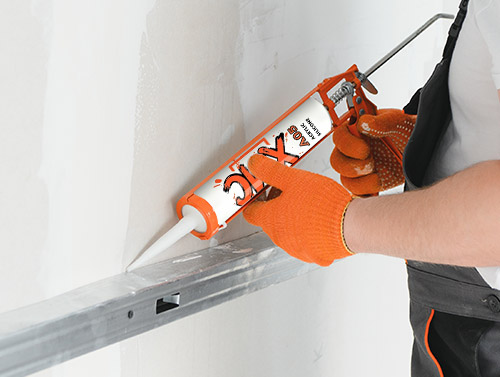
Another important factor is surface preparation. Dust, oil, moisture, or loose particles can reduce bonding strength between the sealant and substrate. Although acrylic latex products are easy to apply, proper cleaning and correct joint preparation remain essential for long-term durability.
- Suitable for interior gaps and decorative finishing applications.
- Provides smooth surface appearance after curing.
- Can be painted after proper drying time.
- Requires suitable joint design to prevent excessive stress.
The difference between general purpose products and higher performance grades is mainly reflected in flexibility, weather resistance, and long-term movement capability. Selecting the correct category according to application conditions is important to reduce cracking risks.
2. Paintable Acrylic Latex Caulk: Improving Finishing Quality and Durability
Paintable acrylic latex caulk is designed for projects where the sealant must integrate with painted surfaces while maintaining acceptable flexibility. It is commonly used by contractors, renovation professionals, and building maintenance teams because it allows seamless visual finishing after installation. The product category combines sealing performance with surface decoration requirements.
A major advantage of paintable acrylic latex caulk is its ability to accept coatings without creating visible differences between the sealed area and surrounding materials. However, cracking can still occur when paint is applied before the sealant has fully cured. The trapped moisture may affect the internal structure of the sealant layer and reduce its durability.
This type of product is generally preferred for interior walls, wood frames, gypsum boards, and painted surfaces. Compared with standard interior fillers, it offers better adhesion and improved resistance to minor building movement. However, it is still important to avoid using it in highly dynamic joints where stronger elastic materials are required.
| Product Category |
Main Characteristics |
Typical Applications |
Cracking Risk Factors |
| General Purpose Acrylic Latex Sealant |
Easy application, smooth finishing, basic flexibility |
Interior gaps, trims, skirting boards |
Large movement, poor surface preparation |
| Paintable Acrylic Latex Caulk |
Good paint compatibility and decorative performance |
Painted walls, doors, renovation projects |
Premature painting, insufficient curing |
| High Performance Water Based Acrylic Sealant |
Enhanced adhesion and durability |
Construction joints requiring improved performance |
Incorrect application conditions |
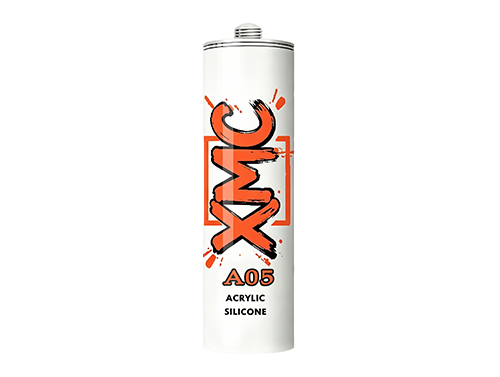
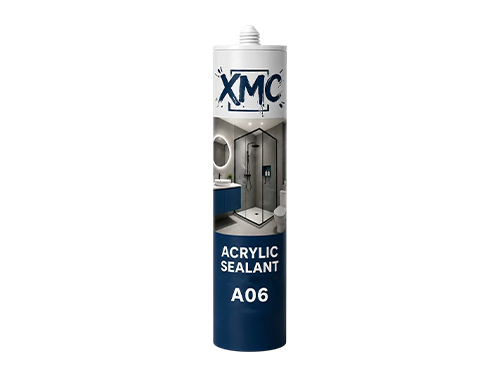
Shanghai XMC New Material Technology Co., Ltd. focuses on developing sealing materials that balance application convenience and long-term performance. Through continuous manufacturing improvement and quality control, XMC provides different acrylic sealant grades to support various construction requirements, including OEM customization services for global partners.
3. Water Based Acrylic Sealant: Technology Advantages and Application Considerations
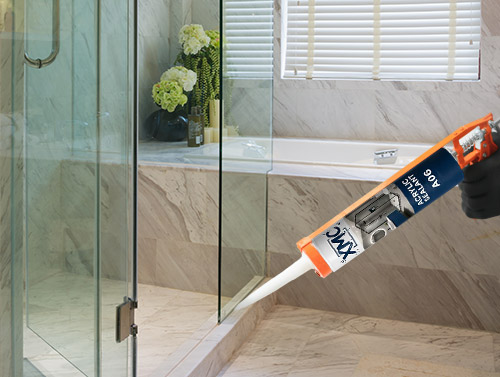
Water based acrylic sealant is a broader product category that emphasizes environmentally conscious formulation, easy handling, and compatibility with many building materials. It is widely applied in construction environments where low odor, convenient cleanup, and reliable adhesion are required. The material is suitable for sealing joints around windows, doors, wall connections, and interior finishing areas.
The performance of water based acrylic sealant depends greatly on formulation quality and application methods. High-quality products maintain adhesion after curing and provide resistance against daily environmental changes. However, cracking may appear if the sealant layer is too thin, the joint width is unsuitable, or the substrate continues moving after installation.
Compared with traditional filling materials, this category provides better sealing continuity and improved surface appearance. It also supports easier maintenance because damaged areas can often be repaired without replacing large sections of building materials.
- Clean the joint surface and remove contaminants before application.
- Select a sealant grade according to movement requirements and environmental exposure.
- Apply the correct bead size and allow sufficient curing time.
- Inspect the finished joint regularly in areas with frequent movement.
Shanghai XMC New Material Technology Co., Ltd. has accumulated more than 20 years of experience in sealant manufacturing and trading. The company operates modern production facilities focused on stable quality, efficient output, and reliable supply. Its product range covers silicone sealants, polyurethane sealants, MS sealants, expanding foam sealants, and other construction adhesive materials.
Why Does Acrylic Latex Caulk Crack After Installation?
Several factors can contribute to cracking after installation. The first factor is incorrect product selection. A low-movement sealant may fail when used in joints that experience continuous expansion and contraction. The second factor is improper installation, including insufficient surface cleaning, incorrect application thickness, or failure to allow curing time.
Environmental conditions also influence service life. Extreme temperature changes, long-term moisture exposure, and repeated mechanical stress can accelerate aging. Choosing a suitable acrylic latex sealant grade based on the actual construction environment helps maintain joint integrity.
XMC emphasizes quality stability throughout production, including multiple inspection procedures to ensure consistent performance. With factory direct sales and customized export support, the company works with distributors and construction partners to provide reliable sealing materials for different market requirements.
Frequently Asked Questions
Q1: Why does acrylic latex sealant crack over time?
Cracking usually occurs because of excessive joint movement, improper surface preparation, insufficient curing, or selecting a product that does not match the application environment.
Q2: Can paintable acrylic latex caulk prevent surface cracking?
Paintable acrylic latex caulk can reduce cracking risks when correctly applied because it provides better finishing compatibility and suitable flexibility for many interior applications.
Q3: Where is water based acrylic sealant commonly used?
Water based acrylic sealant is commonly used for sealing gaps around windows, doors, skirting boards, wall joints, and other construction finishing areas.
Q4: What types of acrylic sealant products does XMC provide?
Shanghai XMC New Material Technology Co., Ltd. provides various sealant and adhesive products, including acrylic sealants, silicone sealants, polyurethane sealants, MS sealants, and expanding foam sealants for construction and industrial applications.
Q5: How can users improve the service life of acrylic latex sealant?
Users can improve durability by selecting the correct product category, preparing surfaces properly, applying suitable joint dimensions, and allowing adequate curing time before exposure.

 English
 Français
 Tiếng Việt