Why do hybrid sealants not require primers in many cases?
In modern construction and industrial assembly, bonding reliability and application efficiency are two important factors when selecting sealing materials. Traditional sealants often require primers to improve adhesion between the sealant and different substrates. However, with the development of advanced polymer technologies, many new-generation products can achieve strong bonding performance without additional primer treatment in many applications. hybrid adhesive sealant technology represents this evolution by combining the flexibility of silicone systems with the strength and durability of polyurethane-based materials.
A hybrid sealant is an environmentally friendly, high-performance sealing material designed to provide excellent adhesion, weather resistance, and flexibility. It is free from solvents and isocyanates, producing low odor during application while offering safer handling characteristics. Due to its strong bonding ability on metal, glass, concrete, wood, plastics, and painted surfaces, hybrid sealants are widely used in construction joints, door and window installation, interior and exterior decoration, waterproofing projects, and industrial assembly. Many formulations can also be painted after curing, expanding their application possibilities.
The reason many hybrid sealants do not require primers is mainly related to their molecular structure and surface interaction ability. Unlike conventional materials that depend heavily on primers for surface activation, these advanced formulations are engineered to create direct adhesion with various substrates. Products such as hybrid adhesive sealant can simplify installation processes while maintaining long-term sealing performance.
1. MS Polymer Adhesive Sealant: Direct Adhesion Technology for Construction Applications
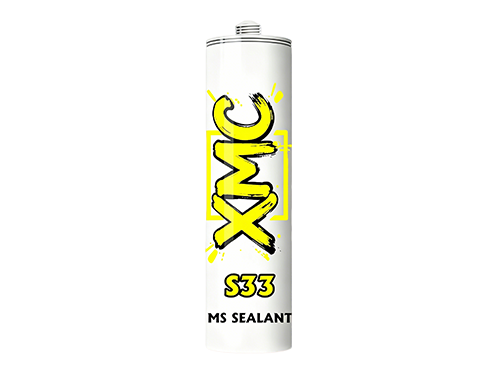
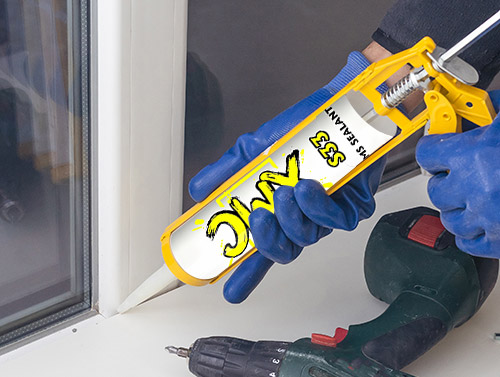
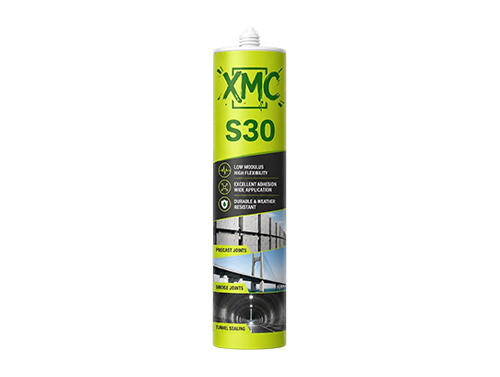
ms polymer adhesive sealant is one of the most widely applied categories within hybrid sealing technology. It is based on modified silane polymer structures that provide strong adhesion without relying on traditional primer systems in many common construction environments. The material can chemically interact with moisture on the substrate surface during curing, forming a durable bond layer that improves connection stability.
The main positioning of MS polymer adhesive sealant is to provide a versatile bonding and sealing solution for projects requiring flexibility, durability, and compatibility with different materials. Compared with conventional sealants that may require multiple preparation steps, this category reduces installation complexity because the primer application process can often be eliminated. This advantage is especially valuable in large-scale construction projects where efficiency and consistent quality are important.
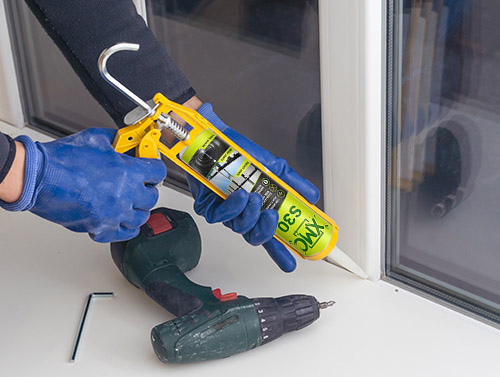
The core technical features include excellent movement capability, resistance to environmental aging, low shrinkage after curing, and strong adhesion to porous and non-porous surfaces. These characteristics make it suitable for applications such as window installation, façade sealing, wall joints, metal structures, and interior decoration projects.
- Strong bonding performance on various construction substrates.
- Reduced surface preparation requirements during installation.
- Good resistance to UV exposure, moisture, and temperature changes.
- Suitable for both sealing and bonding applications.
The ability to bond directly with different materials comes from the balanced formulation of polymer backbone and adhesion promoters inside the sealant. Instead of depending completely on external primers, the material itself provides improved substrate compatibility. This makes ms polymer adhesive sealant an efficient choice for contractors and manufacturers who require reliable performance with simplified application procedures.
2. Modified Silane Sealant: Primer-Free Performance Through Advanced Surface Interaction
modified silane sealant represents another important product category in hybrid sealing systems. It uses silane-modified polymer technology to enhance adhesion characteristics while maintaining excellent flexibility. The silane groups within the polymer structure help improve bonding with surfaces such as glass, aluminum, concrete, ceramics, and coated materials.
The primary difference between modified silane sealants and traditional sealing materials is their ability to achieve stable adhesion under normal application conditions without additional primer treatment. While some special surfaces may still require primers for maximum performance, many daily construction and industrial applications can be completed directly after proper cleaning and preparation.
This product category is commonly used in building envelopes, transportation equipment, industrial assembly, and waterproofing systems. Its flexibility allows it to absorb structural movement caused by temperature variation, vibration, or material expansion. At the same time, its low odor characteristics make it suitable for indoor projects where working environment requirements are important.
| Product Category |
Main Technology |
Primer Requirement |
Typical Applications |
| MS Polymer Adhesive Sealant |
Modified polymer bonding system |
Usually unnecessary on common substrates |
Windows, construction joints, industrial bonding |
| Modified Silane Sealant |
Silane-modified polymer technology |
Optional depending on surface conditions |
Glass, metal, concrete, waterproofing |
| Hybrid Silicone Sealant |
Combination of silicone flexibility and hybrid polymers |
Reduced primer dependence |
Exterior sealing, decoration, façade systems |
The advantages of modified silane sealant are particularly noticeable in projects requiring clean application processes. Because it does not rely heavily on solvent-based primers, workers can complete installation faster while reducing material consumption. This technology also supports environmentally conscious building practices by minimizing chemical emissions during construction.
- Clean the substrate surface to remove dust, oil, and contaminants.
- Apply the hybrid sealant directly when the surface conditions meet application requirements.
- Allow sufficient curing time to achieve stable bonding strength.
- Inspect the finished joint to ensure sealing continuity and appearance quality.
3. Hybrid Silicone Sealant: Combining Silicone Advantages with Hybrid Polymer Benefits
hybrid silicone sealant is designed to combine the weather resistance advantages of silicone materials with the bonding capability of modern hybrid polymer systems. It provides excellent durability in outdoor environments while maintaining good flexibility and adhesion performance. This category is often selected for applications where long-term exposure to sunlight, humidity, and temperature changes may affect sealing performance.
The main function of hybrid silicone sealant is to provide reliable protection against water penetration, air leakage, and structural movement. Unlike traditional silicone sealants that may have limitations on certain substrates, hybrid silicone formulations can provide improved compatibility with materials such as painted surfaces, plastics, and composite panels.
Shanghai XMC New Material Technology Co., Ltd. focuses on the research, manufacturing, and supply of advanced sealant products. With more than 20 years of industry experience since its establishment in 2004, XMC has developed comprehensive production capabilities covering silicone sealants, window and door sealants, curtain wall sealants, polyurethane sealants, MS sealants, and expanding foam sealants.
Through modern production facilities and strict quality management systems, Shanghai XMC New Material Technology Co., Ltd. provides stable products for domestic and international markets. The company supports OEM customization services, helping distributors and brands develop customized sealant product lines according to different application requirements.
Hybrid silicone sealant products are widely applied in:
- Exterior building joints requiring strong weather resistance.
- Door and window installation projects.
- Glass, metal, and composite material bonding applications.
- Industrial assembly requiring flexible connections.
The combination of silicone durability and hybrid polymer adhesion explains why many modern formulations reduce the need for primers. However, correct surface preparation remains essential. Primer-free does not mean preparation-free; cleaning and substrate evaluation are still important steps for achieving reliable long-term performance.
Why Hybrid Sealants Can Reduce Primer Dependence
The development of hybrid sealing technology has changed the traditional approach to bonding and sealing. Modern hybrid adhesive sealant products are formulated to improve compatibility with different surfaces, allowing direct application in many situations. Their balanced adhesion, flexibility, and environmental resistance provide reliable performance without adding unnecessary installation steps.
The elimination of primer requirements in many cases brings several practical benefits, including shorter construction time, lower labor costs, and easier quality control. For professional users, selecting the correct sealant category according to substrate type and project conditions remains the key factor for achieving the best results.
Shanghai XMC New Material Technology Co., Ltd. continues to improve its sealant technologies by focusing on product stability, manufacturing efficiency, and customized services. With strong experience in sealant production and international supply, XMC provides reliable material options for various building and industrial applications.
Frequently Asked Questions
Q1: Why can hybrid sealants work without primers in many applications?
Hybrid sealants contain advanced polymer structures that improve direct adhesion with many substrates. Their internal adhesion technology allows strong bonding after proper surface cleaning, reducing the need for separate primer products in many common applications.
Q2: What is the difference between MS polymer adhesive sealant and modified silane sealant?
ms polymer adhesive sealant focuses on flexible bonding and sealing performance, while modified silane sealant emphasizes enhanced substrate compatibility through silane-modified polymer technology. Both provide strong adhesion and reduced primer dependence.
Q3: Can hybrid silicone sealant replace traditional silicone products?
Hybrid silicone sealant can replace traditional silicone products in many applications where improved adhesion, flexibility, and paintability are required. The suitable choice depends on project conditions and substrate characteristics.
Q4: What solutions does Shanghai XMC New Material Technology Co., Ltd. provide?
Shanghai XMC New Material Technology Co., Ltd. provides a wide range of sealing and adhesive products, including silicone sealants, MS sealants, polyurethane sealants, and customized OEM solutions for construction and industrial applications.
Q5: Does primer-free application mean surface preparation is unnecessary?
No. Even when using primer-free hybrid sealants, surfaces should still be clean, dry, and free from contaminants. Proper preparation ensures better adhesion strength and long-term sealing reliability.

 English
 Français
 Tiếng Việt