English
 Français
 Tiếng Việt


Content
Silicone sealant is rarely the most visible part of a building project, but it is frequently the first component to fail when the wrong curing chemistry is chosen. A common specification question is whether to use an acetic cure or a neutral cure silicone sealant for glass, metal, and masonry. The two look nearly identical in a cartridge but release different by-products, and that difference decides where each can be trusted.
Quick answer: acetic cure suits bare glass joints; neutral cure suits metal, masonry, and mixed-material assemblies.
As a sealant manufacturer with roughly twenty years of production experience, XMC Sealant supplies both acetic and neutral cure silicone to glazing workshops, window fabricators, and curtain-wall contractors. This guide compares the two cure types across the substrate families that cause the most confusion, so you can match the product to the real surface instead of relying on habit.
Acetic cure silicone, also called acetoxy silicone, is a one-component room-temperature vulcanising (RTV) sealant that cross-links by absorbing moisture from the air. During the reaction, the polymer releases acetic acid as a by-product - the same compound responsible for the sharp smell of vinegar. When a cartridge is opened, that distinctive odour is the clearest sign that the sealant belongs to the acetic family.
The acid by-product matters beyond the smell. On bare glass, it contributes to the excellent adhesion that made acetoxy silicones a glazing staple. The cure is brisk, with a skin forming in five to fifteen minutes, so glass shops can move panels quickly. The trade-off is that the same acid can corrode sensitive metals and react with concrete and stone.
Neutral cure silicone uses an alkoxy or oxime cross-linking system that produces a mild alcohol rather than an acid. Because no corrosive compound is released, it can be used in enclosed joints where an acidic by-product would have nowhere to escape. There is no vinegar smell, and the cured rubber is chemically stable against a much wider range of substrates.
This stability explains why neutral cure silicone is preferred for contemporary curtain-wall glazing, aluminium window systems, and metal roofing. Initial skinning may be slightly slower than an acetic product, but the long-term bond on non-porous industrial surfaces is more consistent. For structural glazing, neutral cure is the industry standard.
The practical differences between the two chemistries come down to the by-product, substrate compatibility, and typical usage. The table below condenses the most important decision factors for glass, metal, and masonry projects.
| Property | Acetic Cure | Neutral Cure |
|---|---|---|
| Cure by-product | Acetic acid | Alcohol / oxime |
| Odour | Strong vinegar smell | Mild or almost none |
| Adhesion to bare glass | Excellent | Very good |
| Corrosion risk on metal | High on copper and brass | Low |
| Masonry compatibility | Poor, can cause staining | Good |
| Typical use | Glass glazing, aquariums | Windows, curtain wall, metal |
Use the table as a quick reference. In mixed-material assemblies, neutral is the safer specification because it reduces compatibility risks within one joint. Acetic products still fit purely glass joints where cure speed and cost matter more than substrate sensitivity.
For bare glass, acetic cure silicone remains the classic recommendation. The acetic acid released during curing forms the strong mechanical bond that has kept acetoxy products working for generations. Aquarium tanks, large glass panels, and window glazing rely on this chemistry because adhesion to clean glass is so dependable. Neutral cure silicone also bonds well to glass, but acetic systems usually offer faster initial cure and lower unit cost for high-volume production.
Glass, however, is rarely the only material in a joint. An insulated glass unit sits inside an aluminium, steel, or vinyl frame; a curtain-wall panel is surrounded by metal profiles; a window opening is framed by masonry. If the sealant touches them, their sensitivity must guide the choice. For glass-to-glass work and joints with no sensitive neighbours, an acetic product is well suited.
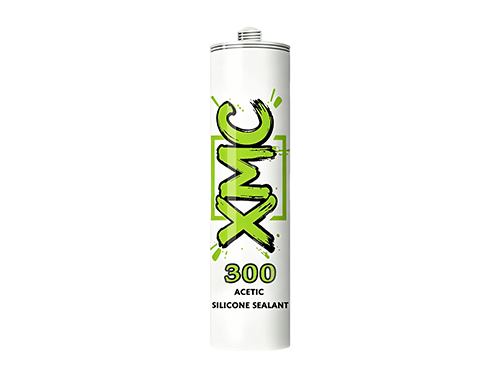
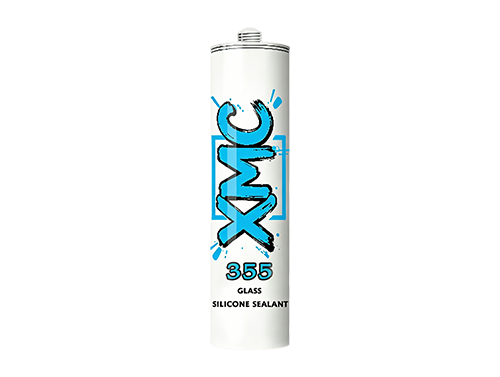 XMC355 Acetic Silicone Sealant for Large Glass PanelsThis single-component acetic cure sealant is suited for glass-to-glass joints with no sensitive neighbors. Its weather resistance and adhesion make it practical when sealing large glass panels in non-metal surroundings.View Product →
Metal is where the two chemistries divide most clearly. The acetic acid released by an acetoxy product can attack uncoated copper, brass, and zinc, causing discoloration and pitting, and it can corrode galvanised steel over time. Aluminium resists better, but inside a closed joint where the acid concentrates against the surface, even aluminium frames can suffer etching that leads to premature loss of adhesion.
Neutral cure silicone is the safe default for metal work. It is the formulation used in aluminium curtain walls, steel roof details, and automotive assemblies, because the cured sealant behaves like an inert gasket. Nothing in the chemistry reacts with the metal surface, so the bond remains stable through thermal movement. Stainless steel tolerates both, but neutral avoids risk at fasteners and mixed-metal junctions.
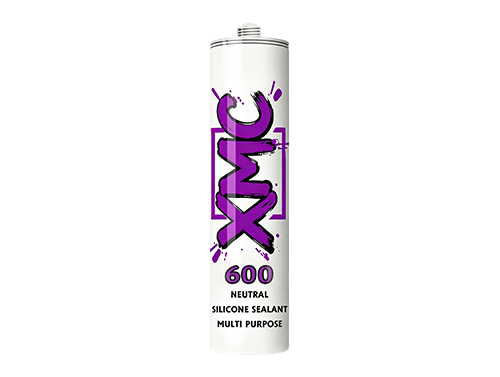
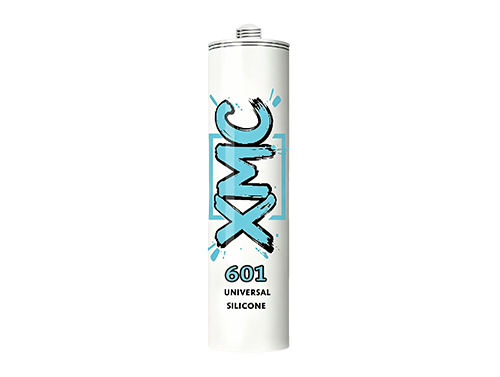 XMC601 General Purpose Neutral Silicone SealantThis neutral cure sealant is non-corrosive to metals and offers strong adhesion to many substrates. It fits door and window installations, aluminum panel assemblies, and indoor metal structures where acetic products could be risky.View Product →
Concrete, brick, stone, and mortar are strongly alkaline. When acetic acid meets an alkaline surface during curing, the reaction can weaken the interface, cause surface deterioration, and produce white efflorescence that is practically impossible to remove from porous masonry. For exterior joints in these materials, acetic cure silicone should generally be avoided.
Neutral cure silicone is pH-stable and releases nothing that can attack the substrate. It adheres to concrete and natural stone, remains flexible as the structure settles, and resists sun, rain, and temperature swings without staining. Expansion joints in precast concrete, movement joints in brick facades, and perimeter seals around window openings in masonry walls all call for a neutral, weather-resistant product.
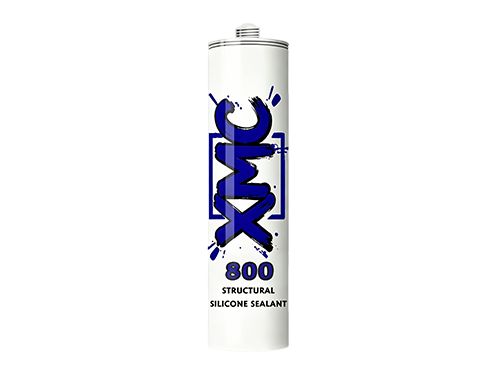 XMC800 Weather Resistant Neutral Structural Silicone SealantDesigned for structural bonding and sealing of glass, stone, and aluminum curtain walls, this neutral cure product provides elasticity and UV resistance. Ideal for masonry and precast joints where weather durability and non-staining performance matter.View Product →
The correct chemistry will still fail if the joint is badly prepared. These practices apply to both acetic and neutral cure systems.
When a project combines glass with metal frames and masonry surrounds, many fabricators choose a neutral product for frame and masonry joints plus acetic for bare glass joints. For larger projects, XMC's construction industry solutions offer a practical starting point for sealant selection.
It is not recommended. Acetic acid released during curing can corrode aluminium, especially in enclosed joints. Neutral cure silicone is the safer specification for aluminium frames.
No. Acetic cure offers excellent glass adhesion, faster skinning, and lower cost, which keeps it popular for glazing and aquariums. Neutral is better when the joint involves metal, masonry, or coated surfaces.
Both types skin in 5 to 30 minutes depending on temperature and humidity. Full cure to a flexible rubber takes 24 to 72 hours for a standard joint.
Most acetic and neutral silicone sealants are not paintable because the cured surface rejects paint. If a paintable seal is needed, use a hybrid or acrylic sealant instead.
Yes. XMC runs OEM/ODM programmes and works with regional distributors. The range covers silicone, acrylic, polyurethane, and hybrid chemistries.
Choosing between the two is about matching chemistry to the substrate. Acetic cure remains a fast, economical answer for clean glass assemblies. Neutral cure is the dependable choice for metal frames, masonry facades, and mixed-material joints. Verify the cure type against every surface, and the seal will outlast the rest of the assembly.