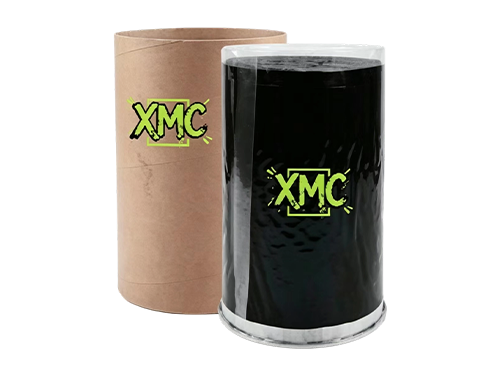
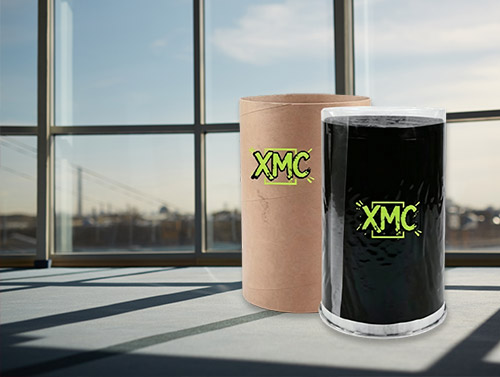
What are the advantages of hot melt butyl over regular sealant?
Insulating glass units require reliable sealing materials to maintain thermal performance, prevent moisture penetration, and preserve long-term structural stability. Among various sealing technologies, hot melt butyl sealant has become an important material for the primary sealing stage of insulating glass systems because of its excellent airtightness and moisture resistance. Compared with regular sealants, hot melt butyl products provide a more controlled application process and stronger barrier performance, making them suitable for modern energy-efficient windows and architectural glazing systems.
The main function of hot melt butyl sealant is to create an airtight and moisture-proof layer between the glass panels and spacer bar. This hot-applied polyisobutylene (PIB)-based material is applied in a molten state around the edge of insulating glass units and forms a stable sealing barrier after cooling. It is commonly combined with secondary silicone sealing materials to build a complete dual-seal system, improving gas retention and resistance against water vapor transmission.
As an experienced manufacturer in sealing materials, Shanghai XMC New Material Technology Co., Ltd. focuses on developing reliable sealant solutions for construction and industrial applications. The company integrates manufacturing capability, quality control systems, and customization services to support different market requirements. With years of experience in sealant production, XMC provides products designed for consistent performance in demanding environments.
Primary Sealing Category: Hot Melt Butyl Sealant for Insulating Glass
The primary sealing category is designed specifically for insulating glass units where airtightness and moisture isolation are critical. hot melt butyl sealant for insulating glass is positioned as the first sealing layer applied directly between the spacer bar and glass surface. Unlike conventional room-temperature sealants, this material is heated before application, allowing it to flow evenly and create continuous contact along the glass perimeter.
Its key technical characteristics include extremely low gas permeability, excellent water vapor resistance, and stable adhesion to commonly used insulating glass components. Because the material remains highly impermeable after cooling, it helps reduce the risk of internal condensation and protects insulating gas from escaping. This makes it especially valuable for energy-saving windows, commercial buildings, curtain wall systems, and residential glazing projects.
Compared with ordinary sealants used for general construction joints, this category focuses more on edge sealing performance rather than visible joint filling. The application method requires specialized equipment, but the controlled process provides higher consistency and better long-term durability. Shanghai XMC New Material Technology Co., Ltd. applies strict production management to ensure stable material properties and reliable supply for global customers.
- Provides strong resistance against moisture migration inside insulating glass units.
- Maintains stable sealing performance under long-term temperature changes.
- Supports automated manufacturing processes for large-scale glass production.
- Works effectively with secondary sealing materials to form a complete glazing system.
Secondary Sealing Category: Silicone-Based Structural Protection
The secondary sealing category serves as an additional protective layer after the primary butyl seal. While the first seal mainly focuses on preventing air and moisture penetration, the secondary seal provides mechanical strength and environmental protection. In insulating glass systems, silicone-based sealing materials are frequently used because they maintain elasticity and resist weathering over extended service periods.
When combined with hot melt butyl sealant, the secondary seal creates a complementary sealing structure. The primary layer blocks moisture and gas movement, while the outer layer improves structural integrity and resistance to external conditions such as ultraviolet exposure and temperature variation. This combination is widely used in architectural glass facades, high-performance windows, and commercial glazing projects.
The difference between this category and hot melt butyl products is mainly related to function. Hot melt butyl materials provide superior barrier properties, while silicone-based materials contribute stronger mechanical support. A properly designed insulating glass system requires both sealing functions to achieve reliable performance. Shanghai XMC New Material Technology Co., Ltd. develops a broad range of sealant products, including silicone sealants and other adhesive materials, allowing customers to select suitable materials according to project requirements.
| Product Category |
Main Function |
Key Characteristics |
Typical Applications |
| Hot Melt Butyl Primary Seal |
Airtight and moisture barrier |
Low permeability, strong vapor resistance, hot application |
Insulating glass edge sealing |
| Silicone Secondary Seal |
Structural support and protection |
Weather resistance, flexibility, durability |
Curtain walls and architectural glazing |
| General Construction Sealant |
Joint filling and surface sealing |
Easy application, general adhesion |
Building joints and maintenance projects |
Industrial Application Category: High-Performance Insulating Glass Solutions
The industrial application category focuses on complete sealing systems used in large-scale manufacturing and engineering projects. Modern buildings increasingly require glazing materials that improve energy efficiency and reduce maintenance requirements. In these applications, hot melt butyl sealant provides an important foundation for producing durable insulating glass units with consistent quality.
Manufacturers of insulating glass need sealing materials that can support continuous production while maintaining stable performance. Hot-applied butyl materials offer advantages in automated production because their application temperature and thickness can be precisely controlled. This helps improve production efficiency and reduces variation between different glass units.
Shanghai XMC New Material Technology Co., Ltd. supports industrial customers through integrated manufacturing and customized product services. The company operates modern production facilities dedicated to sealant and adhesive manufacturing, helping distributors, brands, and engineering partners develop suitable sealing solutions. Its product portfolio covers multiple sealing categories for construction, transportation, and industrial applications.
- Evaluate the glass system requirements, including environmental conditions and expected service life.
- Select the appropriate primary and secondary sealing materials according to application needs.
- Control application procedures to ensure consistent sealing quality.
- Conduct quality inspections to confirm adhesion, stability, and durability.
The advantages of industrial sealing solutions are not limited to material performance. They also include production consistency, supply stability, and technical support. For global partners, selecting a manufacturer with professional experience helps ensure that sealing materials meet different project standards and market requirements.
Why Hot Melt Butyl Performs Better Than Regular Sealant
Regular sealants are commonly designed for general-purpose sealing tasks, including filling construction gaps and protecting joints from external exposure. However, insulating glass applications require much stricter requirements because even small amounts of moisture or gas leakage can affect the performance of the entire glass unit. hot melt butyl sealant for insulating glass is specifically engineered to address these challenges.
The primary advantage is its superior barrier capability. The dense butyl structure provides excellent resistance against water vapor transmission and helps maintain the internal environment of insulating glass units. Another advantage is its strong compatibility with dual-seal systems, allowing it to work together with secondary materials for improved reliability.
Compared with standard sealants, hot melt butyl also offers better manufacturing adaptability. The hot application process enables uniform coating and efficient production, which is important for large-scale insulating glass manufacturers. These characteristics make it a preferred material for projects requiring long-term sealing stability.
Frequently Asked Questions
Q1: What is the main purpose of hot melt butyl sealant?
The main purpose of hot melt butyl sealant is to provide the primary airtight and moisture-resistant seal in insulating glass units. It helps prevent gas loss and moisture penetration between glass panels.
Q2: How is hot melt butyl sealant different from regular construction sealant?
Hot melt butyl sealant is designed for insulating glass edge sealing and provides stronger gas and moisture barrier performance, while regular construction sealants are mainly used for general joint sealing and surface protection.
Q3: Can hot melt butyl sealant be used alone in insulating glass systems?
In most insulating glass applications, hot melt butyl materials are used as the primary seal and combined with a secondary seal to achieve improved structural protection and long-term durability.
Q4: What solutions does Shanghai XMC New Material Technology Co., Ltd. provide?
Shanghai XMC New Material Technology Co., Ltd. provides various sealants and adhesive products, including insulating glass sealing materials, silicone sealants, polyurethane sealants, MS sealants, and customized solutions for construction and industrial customers.

 English
 Français
 Tiếng Việt