Why is surface preparation important for pu adhesive sealant?
Surface preparation is a critical step that determines the final performance of adhesive and sealing materials. Although polyurethane-based sealants are designed with strong bonding ability, flexibility, and environmental resistance, their performance depends greatly on the condition of the application surface. Dust, oil, moisture, rust, and loose particles can reduce the contact area between the sealant and substrate, resulting in poor adhesion and possible sealing failure.
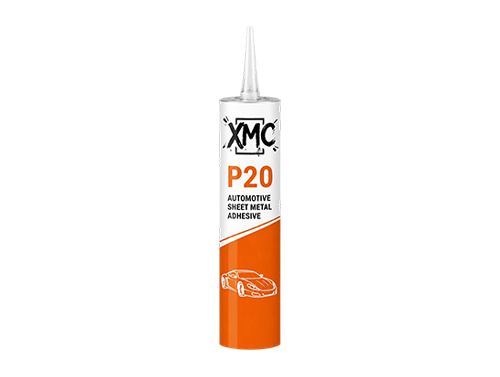
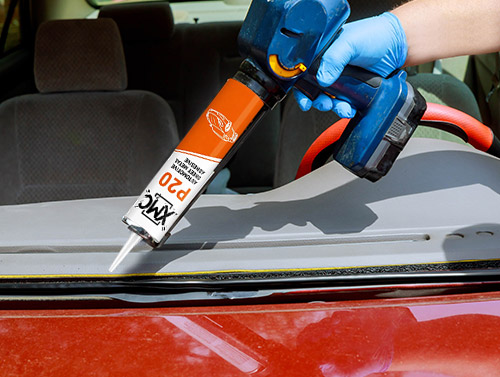
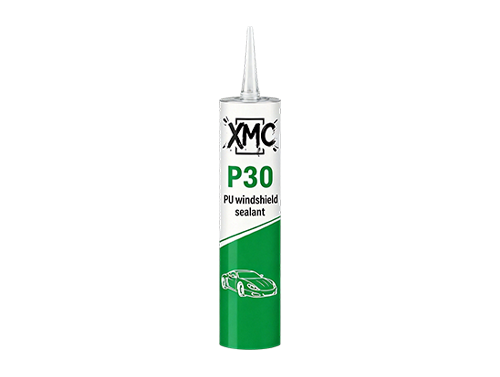
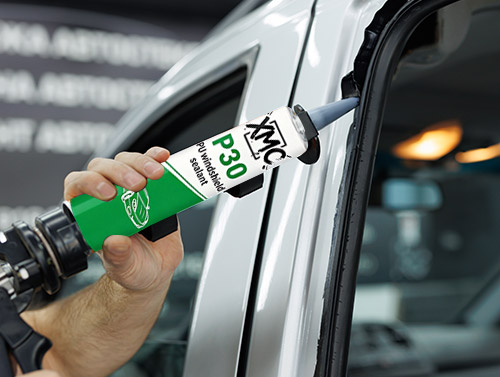
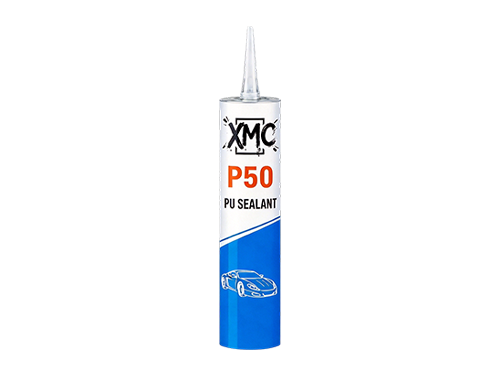
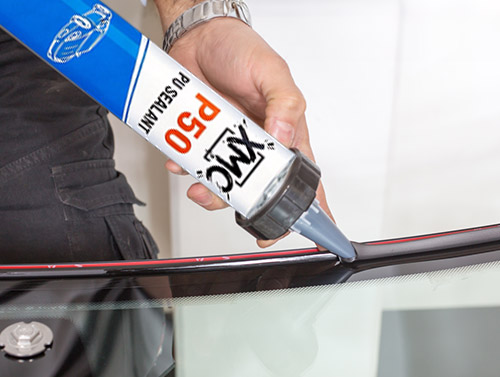
In automotive manufacturing and repair, proper preparation is especially important because sealing materials must withstand vibration, temperature changes, and long-term weather exposure. pu adhesive sealant is a polyurethane-based bonding and sealing material developed for applications requiring high-strength adhesion, vibration damping, noise reduction, and weather resistance. It is widely used for windshield installation, body panel bonding, and vehicle body sealing where stable bonding performance is required.
A professional application process does not only depend on choosing the correct sealant type but also on preparing the substrate correctly. Whether the surface is glass, painted metal, aluminum, concrete, or another industrial material, proper cleaning and treatment help maximize bonding strength and extend service life.
Automotive polyurethane adhesive sealant: surface preparation for reliable vehicle bonding
Automotive bonding applications require materials that can combine strong adhesion with long-term flexibility. Unlike simple sealing materials, automotive polyurethane adhesive products must maintain structural connection while absorbing vibration and movement during vehicle operation. For this reason, surface preparation is considered an essential part of the installation process.
Before applying pu adhesive sealant, technicians usually remove oil, dust, and other contaminants from the bonding area. Glass surfaces used for windshield installation require particular attention because even small amounts of contamination can affect bonding quality. Painted metal surfaces may also require cleaning procedures to ensure that the adhesive properly attaches to the coating layer.
Shanghai XMC New Material Technology Co., Ltd. develops polyurethane-based bonding and sealing products for automotive manufacturing and repair applications. By combining formulation development with controlled manufacturing processes, the company provides materials designed for windshield installation, body panel bonding, and vehicle body sealing requirements.
Main application features of automotive polyurethane sealants
- Strong adhesion for glass, metal, and painted surfaces.
- Flexible bonding performance to absorb vibration and movement.
- Good resistance against moisture, temperature changes, and outdoor exposure.
- Suitable for vehicle assembly lines and repair operations.
Polyurethane joint sealant for construction joints and industrial sealing
Construction and industrial environments require sealing materials that can maintain performance under repeated movement and external stress. Joints between different materials may expand or contract due to environmental changes, making flexibility an important factor. A properly prepared surface allows the sealant to create a continuous and durable sealing layer.
polyurethane joint sealant is commonly used for expansion joints, concrete connections, metal structures, and industrial assemblies. Its elastic characteristics allow it to accommodate movement while maintaining protection against water, dust, and environmental damage. However, the effectiveness of the joint seal depends on whether the substrate has been correctly treated before application.
For porous materials such as concrete, surface preparation may involve removing loose particles and ensuring sufficient dryness. For metal surfaces, cleaning may be required to remove oxidation or oil residues. These preparation procedures help the polyurethane material establish stronger contact with the substrate and reduce the risk of early sealing failure.
Shanghai XMC New Material Technology Co., Ltd. has developed a wide range of sealing products covering polyurethane sealants, silicone sealants, MS sealants, and expanding foam sealants. This product experience allows the company to support different construction and industrial applications with customized product specifications and stable supply capabilities.
Comparison of different polyurethane sealant categories
| Product Category |
Primary Function |
Typical Applications |
Preparation Requirements |
| Automotive polyurethane adhesive sealant |
Bonding and vibration control |
Windshield, body panels, vehicle assembly |
Clean glass and metal surfaces before bonding |
| Polyurethane joint sealant |
Flexible joint protection |
Construction joints and industrial connections |
Remove dust and unstable substrate materials |
| Water-resistant polyurethane sealant |
Moisture protection |
Outdoor sealing and waterproof areas |
Keep surfaces clean and dry |
Waterproof polyurethane sealant: improving durability through correct preparation
Waterproof sealing applications require strong resistance against humidity, rain, and long-term environmental exposure. Even when a sealant has excellent water resistance, poor surface preparation may create weak areas where moisture can penetrate. Therefore, cleaning and drying the substrate are necessary steps before applying waterproof materials.
waterproof polyurethane sealant is designed for applications where moisture protection and flexible sealing performance are required. It is suitable for outdoor joints, vehicle sealing areas, and industrial structures exposed to changing environmental conditions. The material forms a protective barrier while maintaining flexibility under movement.
The preparation process directly influences waterproof performance. A clean surface improves adhesion, while removing moisture prevents bonding problems caused by trapped water. For projects requiring long-term protection, proper installation procedures are as important as selecting the appropriate polyurethane sealing material.
Recommended surface preparation process
- Inspect the substrate condition and identify contamination or damaged areas.
- Clean the surface to remove dust, oil, and loose materials.
- Ensure the application area is dry and suitable for bonding.
- Apply polyurethane sealant according to recommended installation procedures.
How proper preparation improves long-term polyurethane sealant performance
The durability of polyurethane sealing systems depends on the combination of material quality, surface condition, and installation methods. A well-prepared substrate allows the sealant to develop stronger adhesion and maintain elasticity during long-term service. This is particularly important for applications exposed to vibration, movement, and outdoor conditions.
With more than 20 years of experience in sealant manufacturing, Shanghai XMC New Material Technology Co., Ltd. focuses on providing stable and customized sealing materials for different engineering requirements. Its production system supports consistent quality control and efficient supply for international partners requiring reliable adhesive and sealant products.
For professional applications, selecting the correct polyurethane sealant category and following proper preparation procedures are equally important. From automotive bonding to construction joints and waterproof protection, surface preparation remains a fundamental factor in achieving dependable sealing results.
Frequently Asked Questions
Q1: Why does surface preparation affect pu adhesive sealant performance?
Surface preparation removes contaminants that may weaken bonding. A clean and stable substrate allows the polyurethane adhesive sealant to achieve better contact and maintain long-term performance.
Q2: What applications are suitable for polyurethane joint sealant?
Polyurethane joint sealant is suitable for construction joints, industrial connections, concrete structures, and applications requiring flexible sealing and movement resistance.
Q3: What advantages does waterproof polyurethane sealant provide?
Waterproof polyurethane sealant provides moisture protection, flexible sealing performance, and resistance to environmental exposure when applied on properly prepared surfaces.
Q4: What polyurethane sealing solutions does Shanghai XMC New Material Technology Co., Ltd. provide?
Shanghai XMC New Material Technology Co., Ltd. provides polyurethane sealants, silicone sealants, MS sealants, and customized adhesive solutions for automotive, construction, and industrial applications.

 English
 Français
 Tiếng Việt