Photovoltaic structural silicone vs Standard polyurethane sealant
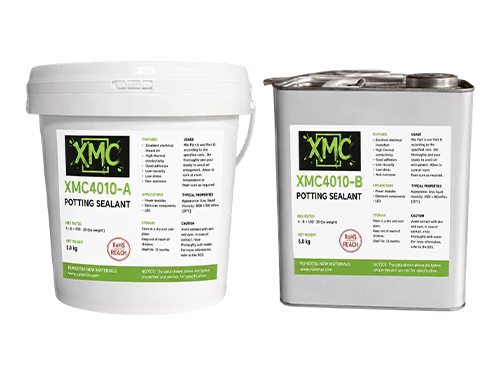
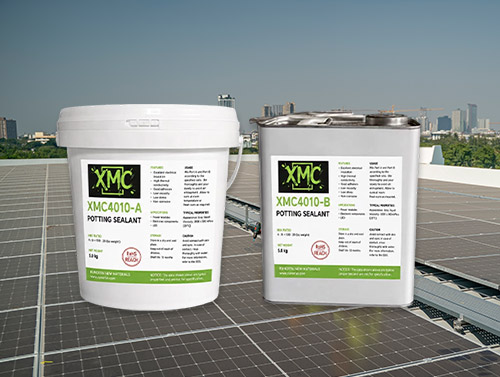
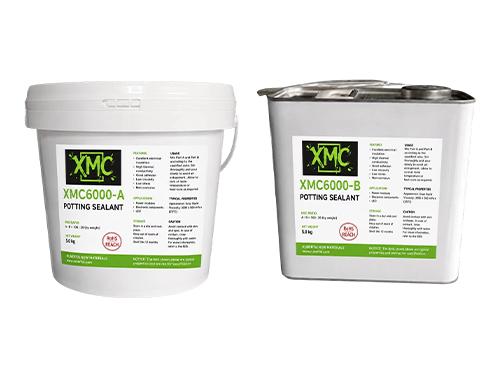
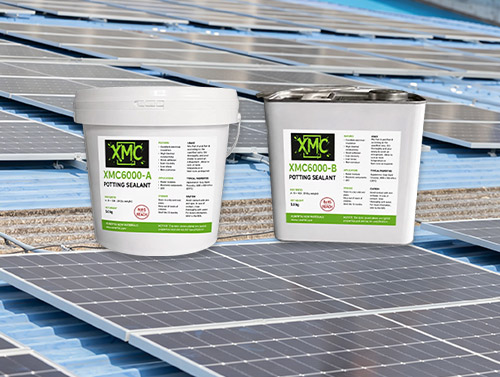
The rapid development of solar energy systems has increased the demand for reliable sealing materials that can maintain long-term performance under outdoor conditions. In photovoltaic module manufacturing and installation, choosing the correct sealing technology directly affects the durability, safety, and service life of solar panels. Compared with standard polyurethane sealants, photovoltaic structural silicone products are specially engineered to provide stronger weather resistance, better UV stability, and long-term bonding performance.
A photovoltaic sealant is developed specifically for solar module applications where protection against moisture, temperature changes, and environmental exposure is essential. Unlike general-purpose sealing materials, it is designed according to the requirements of photovoltaic manufacturing processes, including module assembly, frame bonding, junction box sealing, and structural protection. Understanding the differences between photovoltaic structural silicone and standard polyurethane sealant helps engineers and manufacturers select the appropriate material for different solar energy projects.
1. Photovoltaic Structural Silicone Sealant: Designed for Long-Term Solar Module Reliability
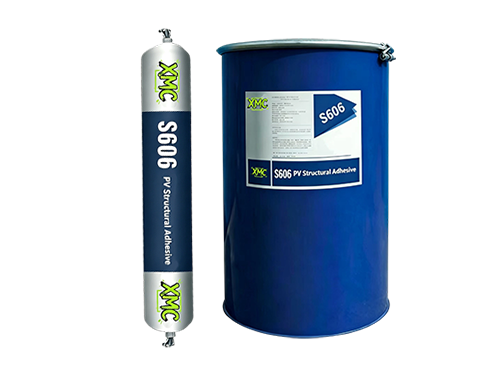
Photovoltaic structural silicone sealant is a specialized adhesive sealing material used in solar panel manufacturing and installation. Its primary function is not only to prevent water penetration but also to provide durable structural bonding between photovoltaic components. This type of sealant is formulated to withstand continuous exposure to sunlight, humidity, wind, and temperature fluctuations.
The main advantage of structural silicone technology is its excellent resistance to aging. Solar modules are commonly installed outdoors for many years, meaning the sealing material must maintain elasticity and adhesion after repeated environmental stress. Silicone-based photovoltaic sealants provide stable performance under harsh weather conditions, reducing the risk of cracks, leakage, and bonding failure.
In photovoltaic module production, structural silicone is commonly applied around module frames, glass bonding areas, and critical connection points. The material creates a flexible yet strong sealing layer that accommodates thermal expansion and contraction of different components. This characteristic makes it different from standard polyurethane sealants, which may experience faster performance changes when exposed to prolonged UV radiation.
- Excellent resistance to UV radiation and outdoor weather exposure.
- Maintains flexibility during temperature changes and mechanical stress.
- Provides strong adhesion to glass, aluminum frames, and photovoltaic components.
- Suitable for long-term solar module structural protection.
For manufacturers requiring stable quality and customized production support, Shanghai XMC New Material Technology Co., Ltd. provides professional sealant manufacturing capabilities. With modern production facilities and extensive experience in silicone sealant development, XMC supports photovoltaic industries with consistent materials and customized solutions for different application requirements.
2. PV Joint Sealant: Protecting Connections and Preventing Environmental Damage
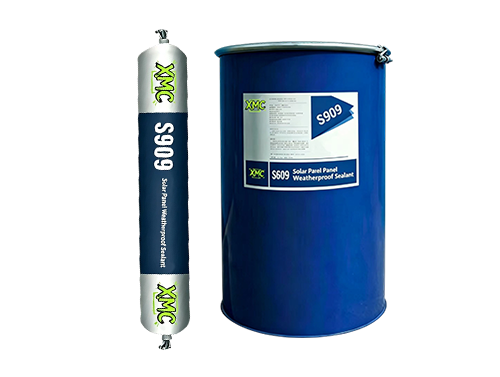
PV joint sealant is another important category used in photovoltaic systems. Unlike structural silicone, which focuses on bonding strength, joint sealant mainly focuses on sealing gaps, preventing moisture intrusion, and protecting connection areas. It is widely used in module edges, installation joints, and areas requiring reliable environmental protection.
A high-quality solar panel sealant must maintain excellent adhesion while allowing movement caused by thermal expansion. During daily operation, solar panels experience repeated heating and cooling cycles. A suitable joint sealing material needs sufficient flexibility to prevent separation between different materials.
The positioning of PV joint sealant is different from structural adhesive grades. Structural products are mainly responsible for mechanical bonding, while joint sealants provide additional protection against water, dust, and contaminants. Both categories work together to improve the overall reliability of photovoltaic systems.
| Product Category |
Main Function |
Typical Application |
Main Advantage |
| Photovoltaic Structural Silicone |
Structural bonding and sealing |
Module frames, glass bonding, assembly areas |
High durability and long-term adhesion |
| PV Joint Sealant |
Gap sealing and moisture protection |
Module edges, joints, installation connections |
Flexible sealing performance |
| Standard Polyurethane Sealant |
General construction sealing |
Building joints and common industrial sealing |
Good initial adhesion and versatility |
XMC develops different sealant grades according to application requirements, including products for industrial sealing and photovoltaic-related applications. Through strict quality control processes, the company ensures stable performance for customers requiring reliable sealing materials in renewable energy projects.
- Evaluate the application area and determine whether structural bonding or joint sealing is required.
- Select a sealant grade according to environmental exposure, substrate materials, and expected service conditions.
- Follow proper surface preparation and application procedures to achieve consistent sealing performance.
3. PV Module Solar Panel Sealant: Specialized Protection for Solar Manufacturing
PV module solar panel sealant is designed specifically for photovoltaic module manufacturing processes. It combines sealing ability with material compatibility, ensuring that solar panels maintain reliable performance throughout their operating period. Compared with standard polyurethane sealants, photovoltaic-specific materials are optimized for the unique requirements of solar applications.
The production environment of solar modules requires sealants that can bond effectively with materials such as glass, metals, and polymer components. A suitable silicone sealant for solar panels offers excellent weather resistance and helps maintain module integrity under outdoor conditions.
The key difference between photovoltaic sealants and standard polyurethane products is their long-term stability. Polyurethane sealants are commonly used in construction and industrial fields, but photovoltaic applications require higher resistance to continuous sunlight exposure and temperature variation. Silicone-based formulations provide better resistance against aging factors that commonly affect outdoor equipment.
Shanghai XMC New Material Technology Co., Ltd. has accumulated more than 20 years of experience in sealant manufacturing. The company focuses on silicone sealants, polyurethane sealants, MS sealants, and other adhesive products. Its integrated manufacturing and trading capabilities allow it to provide OEM customization, stable supply, and technical support for customers in different industries.
- Suitable for photovoltaic module production and installation applications.
- Provides protection against humidity, UV radiation, and extreme temperatures.
- Available in different grades for joint sealing and structural bonding requirements.
- Supports customized packaging and product specifications for global partners.
Why Photovoltaic Sealant Performs Better Than Standard Polyurethane Sealant
The selection between photovoltaic structural silicone and standard polyurethane sealant depends on application requirements. Polyurethane sealants can provide good sealing performance in many construction environments, but photovoltaic systems require materials with stronger resistance to long-term outdoor exposure.
PV module solar panel sealant is specifically developed for renewable energy applications, where reliability and service life are critical factors. It provides stable adhesion, flexible sealing performance, and resistance to environmental changes. These characteristics make it suitable for solar modules installed in different climates.
| Comparison Item |
Photovoltaic Sealant |
Standard Polyurethane Sealant |
| Application Focus |
Solar module manufacturing and installation |
General industrial and construction sealing |
| Weather Resistance |
Designed for long-term outdoor exposure |
Depends on formulation and environment |
| Typical Use |
Solar panels, photovoltaic joints, module assembly |
Building joints and industrial applications |
Frequently Asked Questions
Q1: What is the difference between photovoltaic structural silicone and standard polyurethane sealant?
Photovoltaic structural silicone is developed for solar applications and provides stronger resistance to UV exposure, temperature changes, and long-term outdoor aging. Standard polyurethane sealant is mainly used for general sealing applications and may not provide the same durability in photovoltaic environments.
Q2: Why is silicone sealant for solar panels commonly used in photovoltaic systems?
Silicone sealant for solar panels provides reliable adhesion, flexibility, and weather resistance. It helps protect photovoltaic modules from moisture, environmental contamination, and long-term performance degradation.
Q3: What applications can PV Module Solar Panel Sealant be used for?
PV module solar panel sealant can be used for photovoltaic module assembly, frame bonding, joint sealing, and other solar energy installation applications requiring durable protection.
Q4: Does XMC provide customized photovoltaic sealant solutions?
Yes. Shanghai XMC New Material Technology Co., Ltd. provides customized sealant manufacturing services, OEM support, and stable production capacity to meet different requirements from distributors, brands, and engineering customers worldwide.

 English
 Français
 Tiếng Việt