What is a dual seal system in insulating glass units?
A dual seal system is a key structural technology used in modern insulating glass units (IGUs) to improve energy efficiency, durability, and overall performance. Unlike single-layer sealing methods, a dual seal system combines a primary seal and a secondary seal to create a more reliable protective barrier. The primary layer focuses on gas retention and moisture resistance, while the secondary layer provides mechanical strength and long-term structural support. This combination allows insulating glass units to maintain stable performance under different environmental conditions.
The sealing system is specifically designed for applications where thermal insulation, noise reduction, and weather resistance are important. A properly selected insulating glass sealant helps prevent moisture penetration and maintains the internal conditions of the glass cavity. The dual-layer structure is widely used in commercial buildings, residential windows, curtain walls, and architectural glazing systems because it offers enhanced reliability compared with traditional single sealing approaches.
Primary Seal: Hot-Melt Butyl Sealant for Moisture Protection
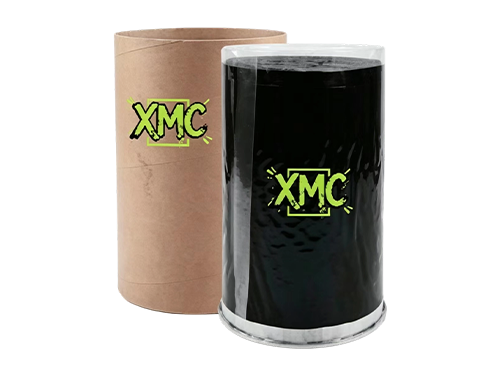
The primary seal is the first protective layer in a dual seal system and is usually positioned between the glass panels and spacer material. Its main function is to reduce moisture transmission and prevent the loss of insulating gases from the internal glass cavity. Hot-melt butyl sealant is commonly selected for this layer because of its excellent barrier properties and stable adhesion characteristics.
As a low-permeability sealing material, the primary seal plays an important role in maintaining the long-term effectiveness of insulating glass units. It creates a continuous barrier that protects the internal cavity from external humidity and environmental changes. Compared with general-purpose sealing materials, this type of sealant provides stronger resistance against moisture migration and supports consistent insulation performance over extended service periods.
In practical applications, the primary seal is mainly used in energy-saving windows, residential glazing systems, office buildings, and industrial glass assemblies. It works together with the secondary seal to form a complete sealing structure. For manufacturers requiring stable performance, selecting a suitable sealant for double glazing units is essential because the primary seal directly affects the durability of the entire insulating glass system.
- Provides strong resistance against moisture penetration.
- Supports long-term gas retention inside the glass cavity.
- Improves the overall reliability of insulating glass assemblies.
- Maintains stable adhesion between glass components and spacers.
Secondary Seal: Silicone Sealant for Structural Stability
The secondary seal is the outer sealing layer of the dual seal system and is responsible for providing mechanical strength and weather protection. Two-component silicone sealant is frequently used as the secondary material because it offers excellent resistance to temperature changes, ultraviolet exposure, and long-term environmental stress.
Compared with the primary seal, the secondary seal focuses more on structural performance. It helps bond the glass components together while allowing the system to withstand wind pressure, building movement, and seasonal expansion or contraction. In high-rise buildings and large glass facades, the secondary seal becomes especially important because the glazing system requires consistent strength over many years.
Modern double glazing silicone sealant products are designed to work together with primary butyl layers to achieve balanced performance. The combination improves durability while reducing the risk of seal failure caused by external exposure. Shanghai XMC New Material Technology Co., Ltd. develops silicone sealing materials based on extensive industry experience, focusing on stable quality control and customized solutions for different architectural requirements.
XMC Sealant Factory has accumulated more than 20 years of experience in sealant manufacturing and trading. Its production system covers various silicone sealants, window and door sealants, curtain wall sealants, glass sealants, polyurethane sealants, and MS sealants. Through integrated manufacturing capabilities and OEM customization services, the company supports distributors and engineering projects requiring reliable sealing performance.
Comparison of Main Insulating Glass Sealant Categories
| Product Category |
Main Function |
Technical Characteristics |
Typical Applications |
| Hot-Melt Butyl Sealant |
Primary moisture barrier |
Low permeability, strong cavity protection |
Residential windows and standard IGU production |
| Two-Component Silicone Sealant |
Secondary structural sealing |
Weather resistance, durability, strong adhesion |
Curtain walls, commercial buildings, large glass panels |
| Integrated Dual Seal System |
Complete insulating glass protection |
Combines moisture resistance and structural stability |
Energy-efficient architectural glazing systems |
Dual Seal System Advantages in Architectural Applications
The dual seal system has become an important choice for modern glazing because buildings increasingly require higher insulation standards and longer service life. By combining different sealing materials, each layer can perform its specific function more effectively. The primary layer protects the cavity environment, while the secondary layer improves structural reliability.
For architects, contractors, and glass processors, the selection of a suitable insulating glass sealant system directly influences the performance of finished glazing products. A well-designed sealing structure helps reduce maintenance requirements and improves the stability of windows and facades during long-term operation.
- Evaluate the glass structure, environmental conditions, and project requirements before selecting sealant materials.
- Apply the primary seal correctly to ensure effective moisture protection inside the glass unit.
- Install the secondary seal with proper processing control to achieve structural durability.
- Inspect finished insulating glass units to confirm sealing consistency and performance.
How XMC Supports Insulating Glass Sealant Applications
Shanghai XMC New Material Technology Co., Ltd. provides sealing materials developed for various construction and industrial applications. The company focuses on silicone-based technologies and continuously improves manufacturing processes to ensure product consistency. Its product range includes materials suitable for insulating glass, doors and windows, curtain walls, and other demanding building applications.
With modern production facilities, XMC maintains stable supply capacity for international partners. The company also provides customized services to help distributors and brands develop their own sealant product lines. Quality inspection procedures are integrated throughout production to support reliable performance for different project environments.
The company’s technical approach emphasizes adhesion stability, durability, and application adaptability. For customers looking for professional sealant for double glazing units, XMC provides product options that match different glass structures and installation requirements. Its experience in sealant manufacturing allows it to support projects from material selection to customized supply.
Frequently Asked Questions
Q1: What is the purpose of a dual seal system in insulating glass units?
A dual seal system uses two sealing layers to improve insulating glass performance. The primary seal prevents moisture and gas leakage, while the secondary seal provides structural support and weather resistance.
Q2: Why is silicone sealant used as the secondary seal?
Silicone sealant is selected for secondary sealing because it maintains performance under temperature changes, ultraviolet exposure, and long-term outdoor conditions. It provides strong adhesion and durability for architectural glazing applications.
Q3: How does double glazing silicone sealant improve glass system performance?
Double glazing silicone sealant improves the stability of insulating glass units by strengthening the outer sealing layer and helping the glass structure resist environmental stress during long-term use.
Q4: What factors should be considered when choosing an insulating glass sealant?
Important factors include glass structure, application environment, required durability, adhesion performance, and compatibility with other sealing materials. Choosing the correct product category helps ensure stable insulating glass performance.
Q5: Does XMC provide customized solutions for insulating glass applications?
Yes. Shanghai XMC New Material Technology Co., Ltd. provides OEM customization and technical support services for different sealing requirements, helping partners develop suitable products for construction and industrial markets.

 English
 Français
 Tiếng Việt