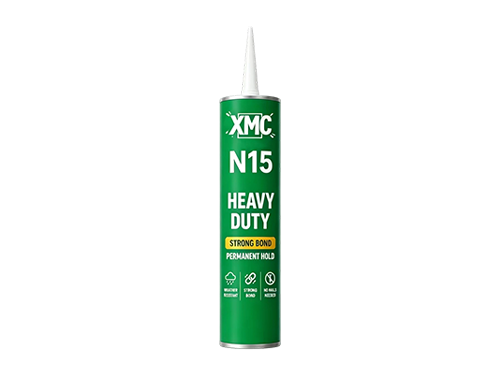
MS Sealant vs. Silicone Sealant: Chemical Structure & Differences
People often ask: What is MS sealant? How exactly does it differ from silicone sealant? Below is a detailed breakdown of its chemical synthesis, curing mechanism, and core advantages.
1. Chemical Structure and Preparation of MS Sealant
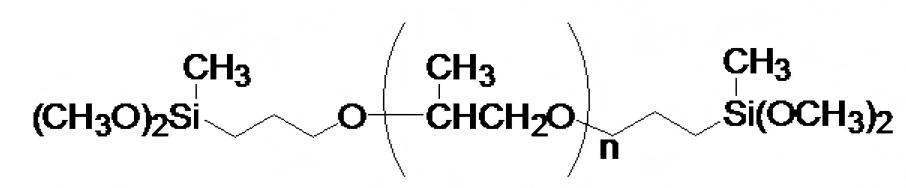
In fact, "MS" stands for "modified silicone" (specifically, silane-modified polyether). It is a type of prepolymer featuring a polyether backbone and hydrolyzable siloxane end-groups; its molecular structure is shown in the figure below.
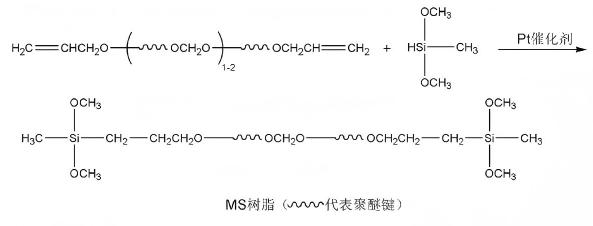
To prepare the aforementioned prepolymer, the critical step is first to synthesize a high-molecular-weight diallyl polyether polyol. Subsequently, a silane-modified polyether (MS) resin is produced through a hydrosilylation reaction between methyldimethoxysilane (MDMS) and the high-molecular-weight diallyl polyether polyol in the presence of a catalyst, as illustrated in the figure below:
2. Curing Mechanism of MS Sealant
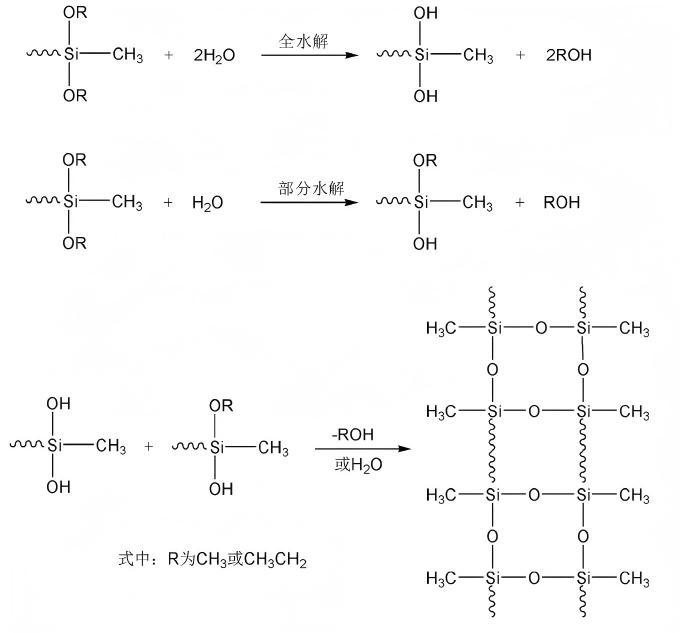
The curing mechanism of one-component MS sealant is moisture-curing, similar to that of one-component silicone sealant. At room temperature, driven by the combined action of moisture and a catalyst, the siloxane groups at the ends of the polymer chains first undergo hydrolysis to form silanol groups (Si-OH).
Subsequently, condensation reactions occur—either between two Si-OH groups or between an Si-OH group and an Si-OR group—releasing water or alcohol and forming Si-O-Si linkages; this results in molecular cross-linking that creates an elastomer with a three-dimensional network structure.
3. Characteristics of MS Sealants
Based on its molecular structure, the polymer backbone of MS sealant differs significantly from that of silicone sealant; it represents a new generation of construction sealants developed after polysulfide, silicone, and polyurethane sealants.
Evolution of Construction Sealants
- Polysulfide Sealants: Gradually falling out of industrial use due to slow low-temperature curing, a tendency to age and harden, poor durability, and a strong, pungent odor.
- Polyurethane Sealants: Primarily used in industrial applications; characterized by high strength, tear resistance, flexibility, abrasion resistance, puncture resistance, and chemical corrosion resistance. However, conventional polyurethane sealants often contain free isocyanates, emitting irritating odors and risking bubble formation from CO2 release during curing.
- Silicone Sealants: Comprise the majority of glazing and curtain wall sealants. Offer rapid curing, bubble-free performance, strong adhesion to non-porous surfaces, and excellent weather resistance. However, they suffer from low tear strength, poor puncture resistance, non-paintability, and oily exudation that can stain porous stone or concrete.
Core Performance Advantages of MS Sealant
MS sealant combines most of the advantages of silicone and polyurethane sealants, offering outstanding overall performance:
- Broad Substrate Adhesion: Due to the low surface energy and high permeability of silyl-terminated polyethers, the material exhibits excellent wetting capabilities on most inorganic, metal, and plastic substrates, resulting in strong adhesion.
- Environmental Friendliness: Silane-modified polyethers feature a long-chain structure with silyloxy-terminated polyether groups; unlike polyurethane sealants, they do not contain toxic isocyanate groups or free isocyanates. With low viscosity and excellent workability, they do not require organic solvents, resulting in very low VOC content.
- Paintability: Standard silicone sealants cannot be painted or colored after application, whereas silane-modified polyether sealants can be painted directly, offering superior paintability and seamless color integration.
- Superior Stain Resistance Compared to Silicone: They do not exude oily molecules that stain building surfaces or joints, maintaining long-term aesthetics. In contrast, silicone sealants can exude small molecules that attract dust and rainwater to form stubborn stains.
- Superior Weather Resistance Compared to Polyurethane: The three-dimensional cross-linked network structure is composed of Si-O-Si chemical bonds and flexible polyether segments. The Si-O-Si bonds provide excellent aging and weather resistance, while flexible polyether segments impart high elongation and elasticity.
| Sealant Type |
Key Advantages |
Main Limitations |
| Polysulfide |
Traditional industrial option |
Slow low-temperature cure, aging/hardening, strong odor |
| Polyurethane |
High strength, tear/abrasion resistance |
Contains free isocyanates, prone to curing bubbles |
| Silicone |
Rapid cure, non-porous adhesion, UV stability |
Non-paintable, low tear strength, oil migration/staining |
| MS Sealant |
Broad adhesion, eco-friendly (low VOC), paintable, non-staining, superior weatherability |
Higher material raw cost than basic conventional sealants |
 English
 Français
 Tiếng Việt