Silicone Adhesives & Sealants: Classification, Usage & Market Trends
Silicone adhesives (often referred to simply as "silicone") are a versatile type of organosilicon product composed primarily of polydimethylsiloxane and silicon dioxide. They are an ointment-like material that cures into a tough, rubber-like solid upon contact with moisture in the air.
Commonly known as "glass glue" due to its widespread use in bonding and sealing glass applications, silicone sealants are classified by their curing byproducts: acetic acid-releasing, alcohol-releasing, amine-releasing, and oxime-releasing types.
1. Classification of Silicone Adhesives
Packaging & Curing Types
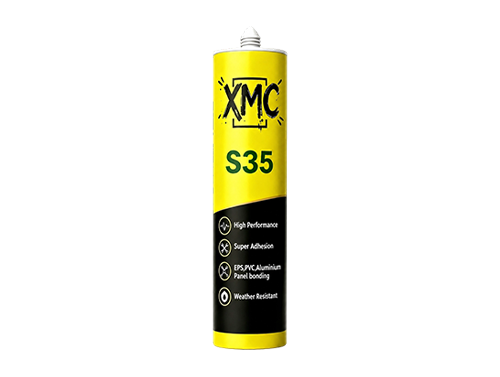
- Single-Component Silicone: Cures through a physical/chemical change triggered directly by contact with atmospheric moisture. It is the most common off-the-shelf type on the market.
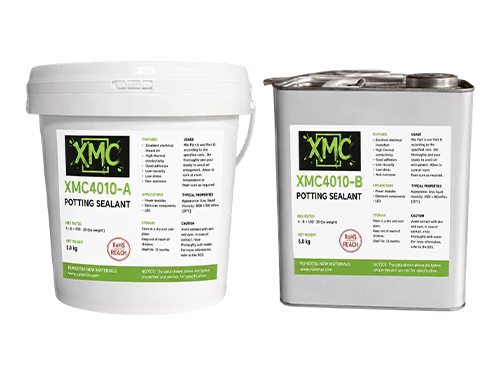
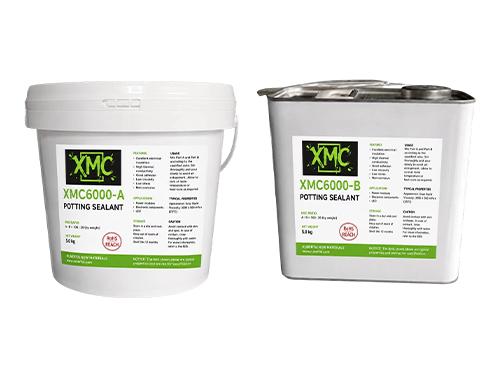
- Two-Component Silicone: Consists of two separate parts (Part A and Part B). Neither part cures on its own; curing begins only after the two components are thoroughly mixed together.
Acidic vs. Neutral Single-Component Sealants
- Acidic Silicone Sealant: Primarily used for general bonding between glass and other basic construction materials. Fast-curing, but releases an acetic acid odor and is somewhat corrosive to metals and alkaline substrates.
- Neutral Silicone Sealant: Overcomes the drawbacks of acidic formulations by eliminating corrosion risks on metal and reactions with alkaline materials, making it suitable for a far wider range of substrates.
- Silicone Structural Sealant: Represents the highest quality grade and price point. Engineered specifically for structural or non-structural assembly of metal and glass components in glass curtain walls (fully or semi-concealed frames) and insulating glass units.
2. Step-by-Step Usage Guide & Technical Notes
- Application: Single-component silicone glazing sealant is ready for immediate use. Dispense evenly from the cartridge using a standard caulking gun, and tool the bead with a spatula or wooden stick.
- Skinning Time: Silicone cures from the surface inward. Tooling and masking tape removal must be completed before the surface skins over—typically within 5–10 minutes for clear sealants and within 30 minutes for neutral colored formulations (refer to the product Technical Data Sheet for exact specs).
- Curing Time: Curing duration increases with application depth. A 3mm outer layer cures within ~24 hours, whereas a 12mm layer can take 3–4 days. Fully enclosed or completely airtight spaces may prevent curing entirely due to lack of moisture. Peak peel strength (20 lbs/inch) is achieved after ~72 hours at room temperature.
- Surface Preparation & Bonding:
- Thoroughly clean surfaces to eliminate grease and oils. Rinse plastics with acetone; abrade rubber surfaces with sandpaper before solvent cleaning.
- Apply the sealant evenly, press the two substrates firmly together to expel air without squeezing out the material completely, and let rest at room temperature.
- Cleaning: Wipe away uncured sealant using a cloth or paper towel; cured sealant must be mechanically scraped or scrubbed off using solvents like xylene or acetone.
3. Application Matrix across Silicone Types
| Silicone Category |
Primary Application Areas |
Key Features |
| Acid-Cure Silicone |
• Sealing, leak-proofing, and weatherproofing (indoor & outdoor)
• Automotive interior components, gaskets for HVAC equipment
• Oven door windows, gas flues, marine cabins, and sheet metal ducts |
Fast curing, high adhesion, releases mild acetic acid odor during cure |
| Neutral Weather-Resistant Silicone |
• Exterior glass, aluminum composite, and dry-hung stone curtain walls
• Joint sealing for concrete, masonry, steel, wood, and coated glass
• Window frame-to-wall expansion joints |
Non-corrosive, broad substrate adhesion, primerless on most substrates |
| Silicone Structural Sealant |
• Structural glass-to-metal bonding for curtain wall frame units
• Structural assembly of fully or semi-concealed frame facade systems
• Secondary structural sealing of edge joints in insulating glass units |
Highest tensile & shear strength, exceptional UV & aging resistance |
4. Industry & Market Development Trends
Silicone structural sealants play a pivotal role in architectural waterproofing, commercial curtain wall assembly, and interior decoration. With ongoing technological breakthroughs and localized manufacturing equipment, production capacity has expanded rapidly over the past decade.
However, market competition has intensified, leading to price-driven competition that squeezes profit margins—especially when upstream raw material monomers experience sudden supply shortages and price surges.
Moving forward, competing solely on low prices is an unsustainable short-term strategy. Long-term corporate growth relies on technological innovation, strict quality control, and functional product differentiation to meet the sustained demand from modern architectural developments.
 English
 Français
 Tiếng Việt