






In modern construction, the choice of sealing material directly determines the long-term performance, safety, and maintenance cost of a building envelope. While acrylic caulks have historically been popular due to their low price and ease of application, they fall short in flexibility, weather resistance, and long-term adhesion. This is why professionals increasingly turn to building silicone sealant solutions for windows, doors, curtain walls, and structural joints. Unlike acrylic-based products, silicone chemistry offers superior elasticity and durability under extreme temperature fluctuations, UV exposure, and constant building movement, making it the preferred choice for demanding architectural applications.
As the construction industry evolves, the demand for high-performance polymer sealants and adhesives has grown significantly. These materials are engineered not only to bond and seal, but also to withstand decades of environmental stress without cracking, yellowing, or losing adhesion. Manufacturers with deep formulation experience, such as Shanghai XMC New Material Technology Co., Ltd., have spent years refining these chemistries so that architects, contractors, and distributors can select the right sealant for every project type with confidence.
General building silicone sealant products form the foundation of most construction sealing applications. These are one-component, moisture-curing formulations designed to create a durable, flexible bond between various substrates, including glass, aluminum, concrete, and painted surfaces. Their defining characteristic is a stable silicone backbone that resists degradation from sunlight, ozone, and temperature extremes far better than acrylic alternatives, which tend to shrink and crack within a few years of exposure.
Core technical features of this category include excellent movement capability, low modulus performance for expansion joints, and strong adhesion without the need for extensive substrate priming. Typical application scenarios include window and door perimeter sealing, glazing joints, and general weatherproofing around building facades. This is precisely the segment where XMC has built its reputation over the past two decades: founded in 2004, the company has continuously developed window and door sealants alongside curtain wall and large-panel glass sealants, backed by adhesion testing reported at twenty times stronger than the American Standard ASTM C920 benchmark.
The category of polymer sealants and adhesives encompasses a broader family of materials engineered for both sealing and structural bonding purposes. This includes polyurethane sealants, MS sealants, and hybrid formulations that combine the strengths of multiple polymer chemistries. These products are positioned for applications requiring higher tensile strength or paintability, where pure silicone may not be the ideal choice due to surface coating limitations.
Functionally, this category delivers strong initial grab, high tensile and shear strength, and compatibility with a wide range of substrates including metal, wood, and masonry. Typical applications include structural glazing, panel bonding, flooring joints, and industrial assembly work. The differentiating advantage over acrylic sealants lies in their ability to accommodate greater joint movement while maintaining adhesive integrity, a critical factor in buildings subject to thermal expansion or seismic activity. Producers that operate integrated manufacturing and trading systems, a model XMC has pursued since its founding, are able to keep polyurethane and MS formulations consistent across large production runs, which matters greatly for contractors sourcing material for multi-phase projects.
Buyers evaluating this category can review a full line of structural and general-purpose formulations through XMC's building silicone sealant catalog, which is organized by substrate compatibility and joint-movement rating to simplify selection for OEM partners.
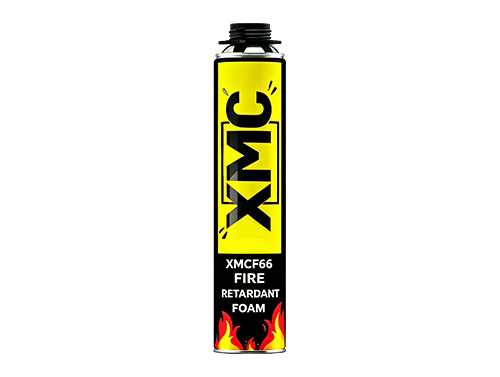
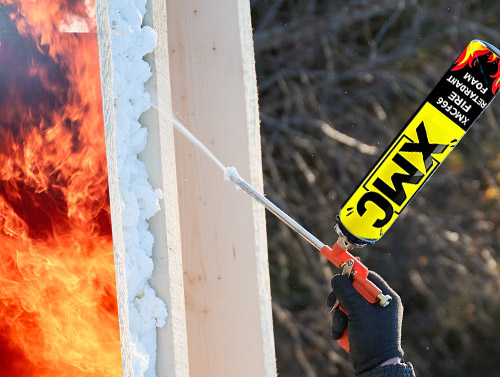
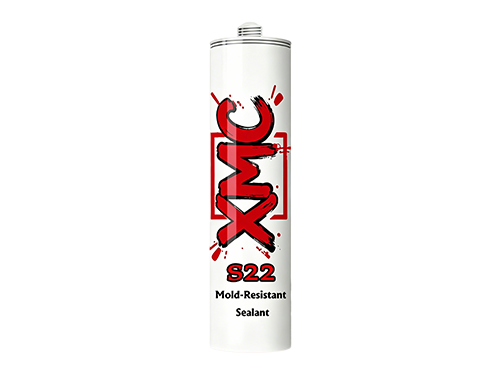
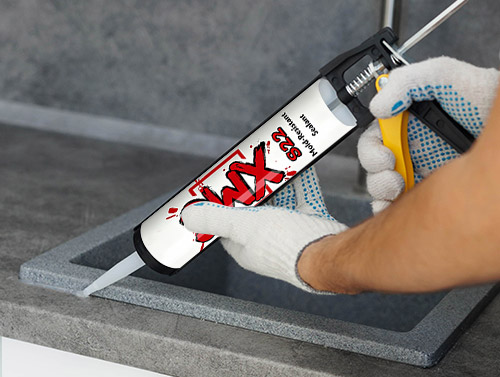
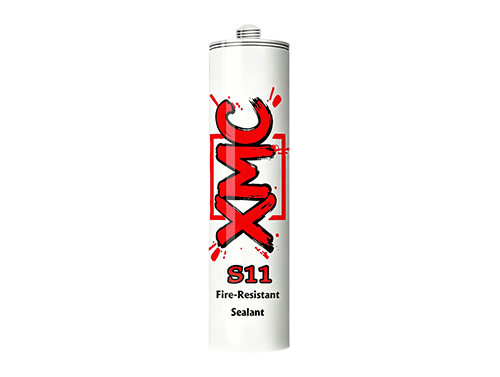
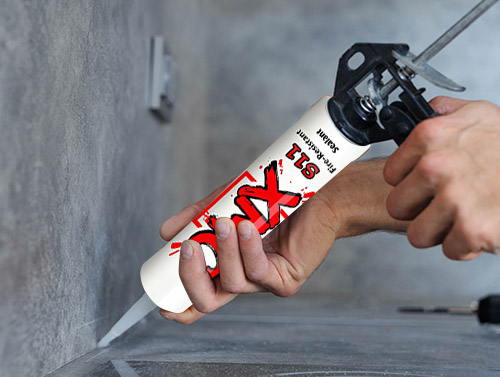
Modified silicone polymer caulk represents an advanced formulation category designed for environments demanding both flexibility and enhanced resistance to specific stressors, such as moisture, mildew growth, or fire exposure. These products are chemically modified to improve properties that standard silicone or acrylic sealants cannot fully address on their own, including anti-fungal performance in humid areas and fire-retardant characteristics in commercial applications.
Key technical attributes include enhanced mildew resistance for bathroom and kitchen applications, fire-retardant additives for compliance with commercial building codes, and specialized formulations for aquarium and large-panel glass installations where long-term water exposure is a constant factor. Compared to standard acrylic caulk, which readily absorbs moisture and promotes mold growth, modified silicone formulations actively resist microbial colonization while retaining joint flexibility over many years of service. This is one reason XMC's product line extends beyond general sealants into anti-mildew, fire-retardant, and aquarium-grade formulations, each checked three times during production to confirm stability before it leaves the factory.
| Category | Flexibility | UV Resistance | Typical Use |
| Acrylic Caulk | Low | Poor | Interior gap filling |
| Building Silicone Sealant | High | Excellent | Window, door, curtain wall |
| Polymer Sealants and Adhesives | Medium-High | Good | Structural glazing, panel bonding |
| Modified Silicone Polymer Caulk | High | Very Good | Anti-mildew, fire-retardant zones |
The fundamental advantage of silicone-based products over acrylic caulk lies in molecular structure. Acrylic sealants are water-based and rely on evaporation to cure, which leads to shrinkage, cracking, and reduced adhesion over time, particularly in joints subject to movement. Silicone sealants, by contrast, cure through a moisture-triggered chemical reaction that produces a stable, rubber-like bond capable of stretching and compressing repeatedly without losing integrity. This is why silicone remains the standard choice for exterior applications where weather exposure and structural movement are constant considerations.
This performance gap is also why manufacturers with decades of focused experience tend to serve the market most reliably. By 2025, XMC had reached annual sales of 300 million RMB while maintaining a portfolio of more than 1500 sealant and adhesive solutions for home improvement and engineering needs, offering factory-direct pricing and customized export volumes to partners worldwide. For distributors and brands looking to build their own product lines, the company's comprehensive customization services provide a practical path to sourcing dependable silicone-based materials without compromising on quality or supply stability.
Silicone sealant offers significantly greater flexibility, UV resistance, and long-term durability compared to acrylic caulk, which tends to shrink, crack, and discolor within a few years of outdoor exposure.
Polymer sealants and adhesives, such as polyurethane or MS formulations, are recommended when a project requires higher structural bond strength or paintability, which standard silicone products cannot always provide.
Modified silicone polymer caulk contains additives that resist mildew growth and moisture absorption, making it far more suitable than acrylic for continuously humid environments such as bathrooms, kitchens, and aquariums.
XMC provides factory-direct pricing, rigorous quality checking, and comprehensive customization services, allowing distributors and brands to build their own product lines while relying on a stable, export-ready supply chain.




 English
 Français
 Tiếng Việt