News

Home · News & Blog · News · Usage and Precautions for Silicone Sealant
Jul 20, 2026

Usage and Precautions for Silicone Sealant

Silicone sealant is widely used today, yet users may encounter various issues—such as detachment, breakage, or incomplete curing—often resulting from improper application. Here is an overview of the proper usage and precautions for silicone sealant:

Usage instructions for silicone sealant:

  1. Single-component products can be applied directly using a caulking gun; two-component silicone sealants must be mixed according to the specified ratio and applied evenly.
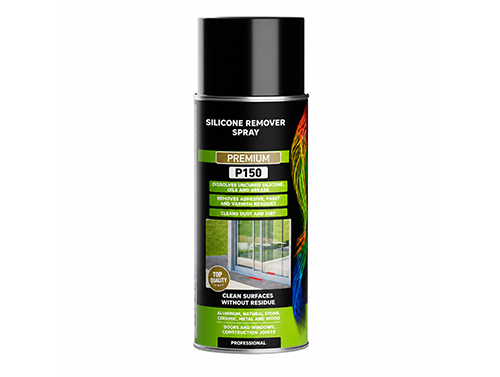
  2. Clean the surfaces to be bonded, removing oil, grease, and rust. Use a cleaning agent if necessary, and lightly sand the surface to improve adhesion.
  3. Apply the silicone sealant evenly to the bonding area. When joining two surfaces, press firmly to expel air and ensure the curing process is not compromised.
  4. Allow to cure at room temperature. Proceed to the next step after the required curing time has elapsed.
  5. Wipe away excess sealant with a cloth or paper towel; once cured, any remaining residue can be trimmed off with a blade.

Precautions to avoid when using silicone sealant:

  1. Avoid prolonged immersion in water, as this can compromise the sealant's adhesive properties.
  2. Do not apply to surfaces that are excessively wet or prone to frost, as proper bonding will not occur.
  3. Single-component silicone sealants should not be cured in completely sealed environments, as they may fail to cure fully.
  4. Substrate surfaces must be clean and dry; otherwise, a secure bond cannot be achieved.
  5. Avoid using low-quality sealant, which could corrode other components.

Silicone sealant curing is influenced by environmental conditions. Generally, application can proceed normally within the temperature range of 5°C to 40°C. Stop application if the substrate surface temperature exceeds 50°C; applying at higher temperatures accelerates curing but prevents the timely escape of small-molecule byproducts, leading to bubble formation. Conversely, excessively low temperatures slow down the curing process, potentially causing shrinkage and deformation of the sealant layer. Silicone sealant is not suitable for every situation; for instance, it is not ideal for areas subject to prolonged water immersion, frost, or excessive moisture, nor for surfaces that are not sufficiently clean or are oily, as it does not bond well with oily materials.


That concludes today’s overview of the uses and precautions for silicone sealant. Have you got the hang of it?


Interested in cooperation or have questions?