English
 Français
 Tiếng Việt


Content
Industrial grade silicone sealants rank among the most trusted materials in modern manufacturing and construction. Unlike consumer-grade products, these formulations are engineered under controlled conditions to deliver consistent adhesion, long-term weather resistance, and reliable mechanical performance in demanding environments. Whether you are assembling insulating glass units, glazing a curtain wall, potting photovoltaic modules, or bonding automotive components, the sealant you select directly affects product safety, service life, and production efficiency. This guide explains what makes a silicone truly industrial grade, which types fit which applications, and how to evaluate a capable manufacturing partner.
Industrial grade silicone is a high-performance elastomeric sealant or adhesive based on silicone polymers, specifically formulated for professional and industrial use. After application, it cures into a flexible, rubber-like material that resists temperature extremes, ultraviolet radiation, moisture, and many common chemicals. The term industrial grade signals tighter control over viscosity, cure speed, tensile strength, and consistency compared with retail shelf products. These controlled characteristics matter when a sealant must pass factory quality checks, meet project specifications, or survive decades of outdoor exposure.
Industrial grade silicones are commonly classified by cure chemistry and by component count. Cure chemistry determines which substrates are safe to bond and how the sealant behaves during curing, while component count controls cure speed and application method. Both factors must be matched to the production process and the service environment.
Engineers compare industrial grade silicone products using a set of measurable properties. Understanding these values helps you select materials and forecast field performance.
| Property | Typical Range | Why It Matters |
|---|---|---|
| Temperature resistance | -40°C to 200°C or higher | Survives thermal cycling in facades, solar arrays, and vehicles |
| Elongation at break | 300% - 600% | Absorbs joint movement without cracking or debonding |
| Movement accommodation | ±25% to ±50% | Prevents sealant failure in dynamic building joints |
| UV and weather resistance | Decades, depending on grade | Resists hardening, yellowing, and loss of adhesion outdoors |
| Adhesion range | Glass, aluminum, steel, plastics, coated substrates | Enables structural glazing and multi-material assembly |
| Cure behavior | One-component RTV or two-component fast cure | Matches production line speed and cure depth requirements |
Selecting a sealant based on adhesion alone is a common mistake. The right industrial grade silicone must balance elasticity, weatherability, cure behavior, and chemical resistance for the specific production environment.
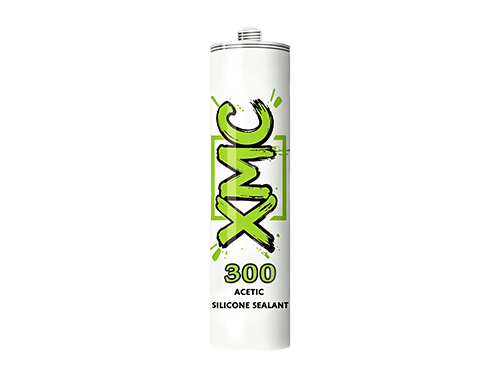
Acetic, or acidic, cure silicone releases acetic acid while curing, which creates a noticeable vinegar-like odor. It delivers strong adhesion to glass and ceramics, fast skin-over time, and economical performance in glass-related applications. Because the acidic by-product can corrode metals and affect sensitive electronics, acetic cure silicone is best suited to glass-to-glass and glass-to-frame sealing where bare metal is not exposed. XMC offers acetic-based products including a general-purpose acetic silicone sealant, a large-panel glass silicone sealant, and an aquarium silicone sealant.
Neutral cure silicone releases no corrosive by-products during curing, making it the only safe choice for coated glass, aluminum profiles, stainless steel, and electronic enclosures. It is the standard chemistry for structural glazing, curtain wall weatherproofing, and photovoltaic module sealing. The difference between acetic and neutral systems is significant enough that product selection should never be based on price alone. For a deeper comparison of cure chemistry, read our explanation of why neutral cure silicone is the only safe choice for many industrial applications.
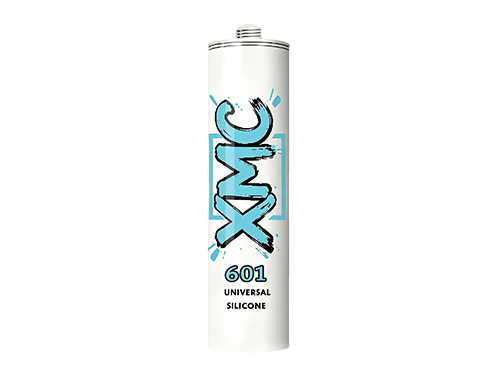 XMC601 General Purpose Neutral Cure Silicone SealantThis single-component neutral silicone sealant suits door and window installation, curtain wall assembly, and indoor metal sealing. Its non-corrosive cure and primerless adhesion make it a reliable choice for general construction tasks.View Product →
One-component silicones cure with atmospheric moisture and are easy to apply with caulking guns or automated dispensing equipment. Two-component silicones cure within a controlled window after base and catalyst are mixed, which is essential for insulating glass production and junction box potting where deep, fast cure is required. XMC supplies both one-component and two-part silicone sealant systems to match different production lines.
Curtain walls and structural glazing demand sealants that bond glass panels to metal frames while resisting wind loads, rain, and thermal movement for decades. High-performance weatherproof silicone and neutral structural silicone are specified in large building projects because of their UV stability, adhesion, and movement accommodation. Our construction-grade lineup includes big-project silicone sealants and neutral-plus structural grades designed for demanding facades.
Insulating glass units (IGUs) rely on a dual-seal system: a hot-melt butyl sealant forms the primary barrier, while a secondary seal provides structural strength and gas retention. Two-part silicone sealants such as XMC's 5100 and 6100 series deliver fast curing, strong edge adhesion, and long-term argon retention for energy-efficient windows.
Automotive environments expose materials to vibration, temperature extremes, and road moisture. Polyurethane sealants are commonly used for windshield bonding and sheet-metal seams, while silicone sealants protect electronic components, form gaskets in place, and seal connectors in electric vehicles. XMC's solutions for the automotive industry cover both aftermarket and OEM-grade requirements.
Solar panel manufacturing uses industrial silicone for frame bonding, junction box potting, and backsheet sealing. A photovoltaic structural adhesive must provide high adhesion to aluminum frames and glass while enduring UV and temperature cycling. Two-part potting sealants with mix ratios such as 5:1 and 6:1 protect junction boxes from moisture ingress and thermal stress.
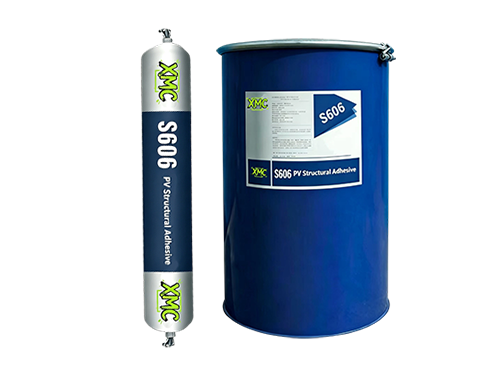 XMCS606 PV Structural Adhesive for Solar Module BondingDeveloped for solar module frame bonding, junction box sealing, and backsheet attachment, this high-performance silicone offers strong adhesion and weather resistance, ideal for assembly processes in photovoltaic manufacturing.View Product →
Cleanroom silicone sealant is formulated to control outgassing and microbial growth, supporting semiconductor, pharmaceutical, and laboratory facilities. Other specialty grades include fire-resistant silicone, high-temperature silicone, anti-mould sanitary silicone, and mirror silicone for interior projects.
Selecting the correct sealant requires a systematic review of the application rather than a quick price comparison. Use the following checklist to narrow your options:
When in doubt, request samples and run adhesion tests on your actual substrates. A reputable manufacturer will provide technical guidance before you scale up production.
A reliable industrial silicone supplier acts as both a material source and a technical partner. XMC Sealant, established in 2004, has grown into an integrated manufacturing and trading company focused on silicone sealants. With product lines covering door and window sealing, curtain wall glazing, insulating glass, photovoltaic modules, and specialty applications, XMC combines factory-scale production with the flexibility to support OEM and ODM projects, including custom colors, packaging, and application-specific formulation adjustments.
Working directly with a sealant manufacturer brings three practical advantages: consistent batch quality, faster technical feedback, and direct communication during product development. These factors reduce qualification time and lower the risk of field failures for industrial buyers.
Industrial grade silicone is manufactured with tighter formulation control, stricter mechanical requirements, and longer weatherability testing. It is designed for applications where adhesion failure creates safety or production problems, while household sealants prioritize ease of use and short-term cosmetic results.
Choose neutral cure whenever the sealant contacts metals, coated glass, plastics, or electronics, or when the joint carries long-term structural loads. Acetic cure remains acceptable for glass-to-glass applications such as aquariums and simple glazing with no metal corrosion risk.
Most silicone sealants have low surface energy and do not accept paint well. If a paintable sealant is required, an acrylic or hybrid sealant is usually a better choice. Silicone is selected mainly for weatherproofing and structural performance rather than for paintability.
Yes. As a dedicated sealant manufacturer, XMC supports OEM and ODM projects that include custom colors, packaging, viscosity adjustments, and application-specific formulation development, subject to commercial agreement and minimum order quantities.
Industrial grade silicone sealants provide the durability, adhesion, and processing reliability that modern manufacturing and construction demand. By understanding cure chemistry, mechanical properties, and application requirements, you can avoid costly failures and choose a product engineered for decades of service. Partnering with a manufacturer that offers consistent quality, technical support, and flexible development services gives your organization a real competitive advantage. Contact the XMC team for datasheets, samples, and project-specific recommendations.